
Blog
What Is Final-Mile Delivery, and Why Is It the Hardest Leg
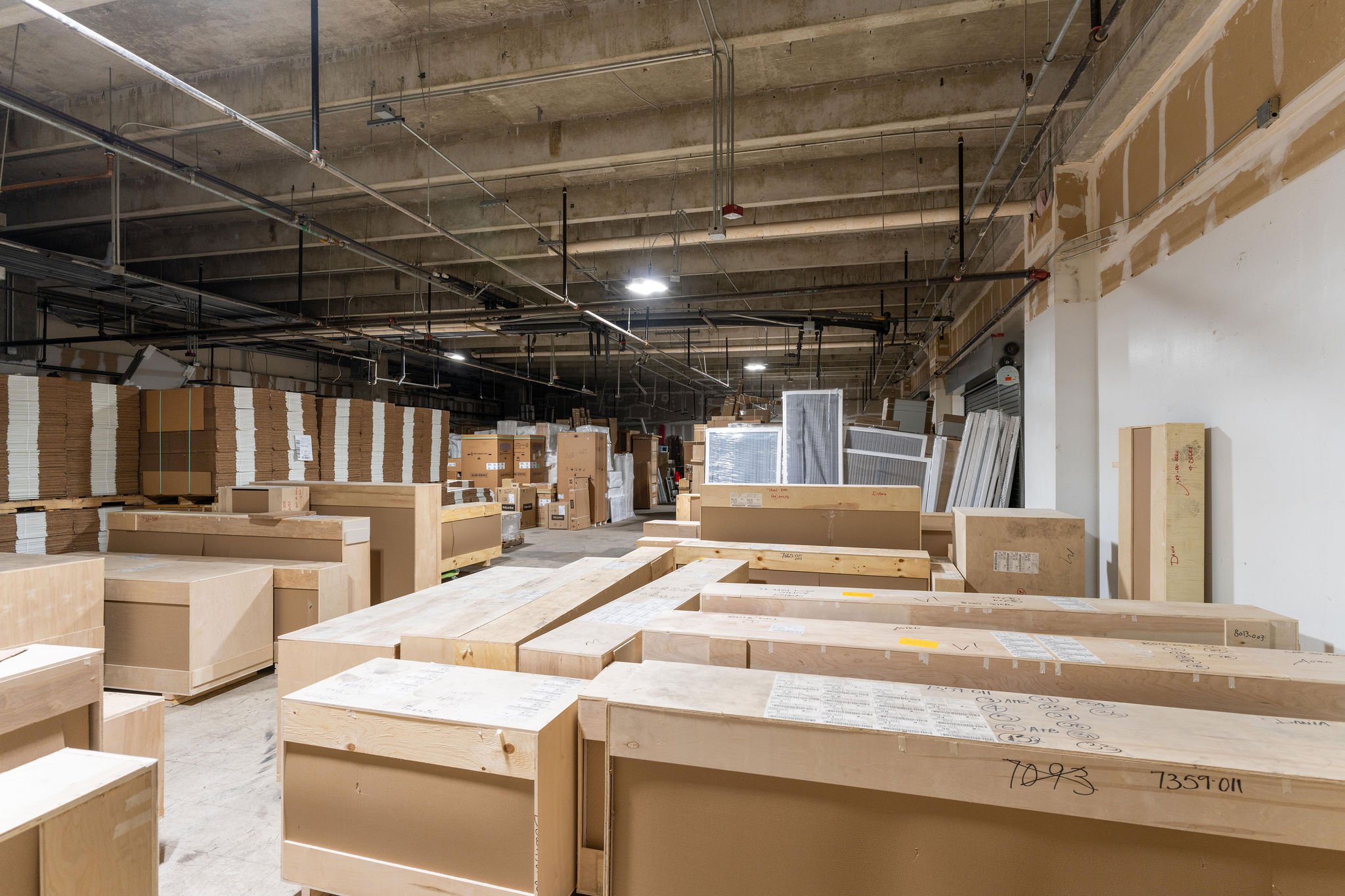
Your freight can cross the country on a single trailer, ride a rail line, sit in a port, and clear a regional hub without much drama. Then it hits the last few miles, and everything that made the long haul cheap stops working. One driver who moved forty pallets on the interstate now becomes twenty drivers making two hundred separate stops, each at a different address, on a different street, behind a different gate. That last stretch is final-mile delivery, and it routinely costs more than the entire trip before it. Understanding why is the difference between a delivery operation that holds its promises and one that bleeds money on redeliveries and complaint calls.
What Is Cross-Docking? The Method That Skips the Shelf
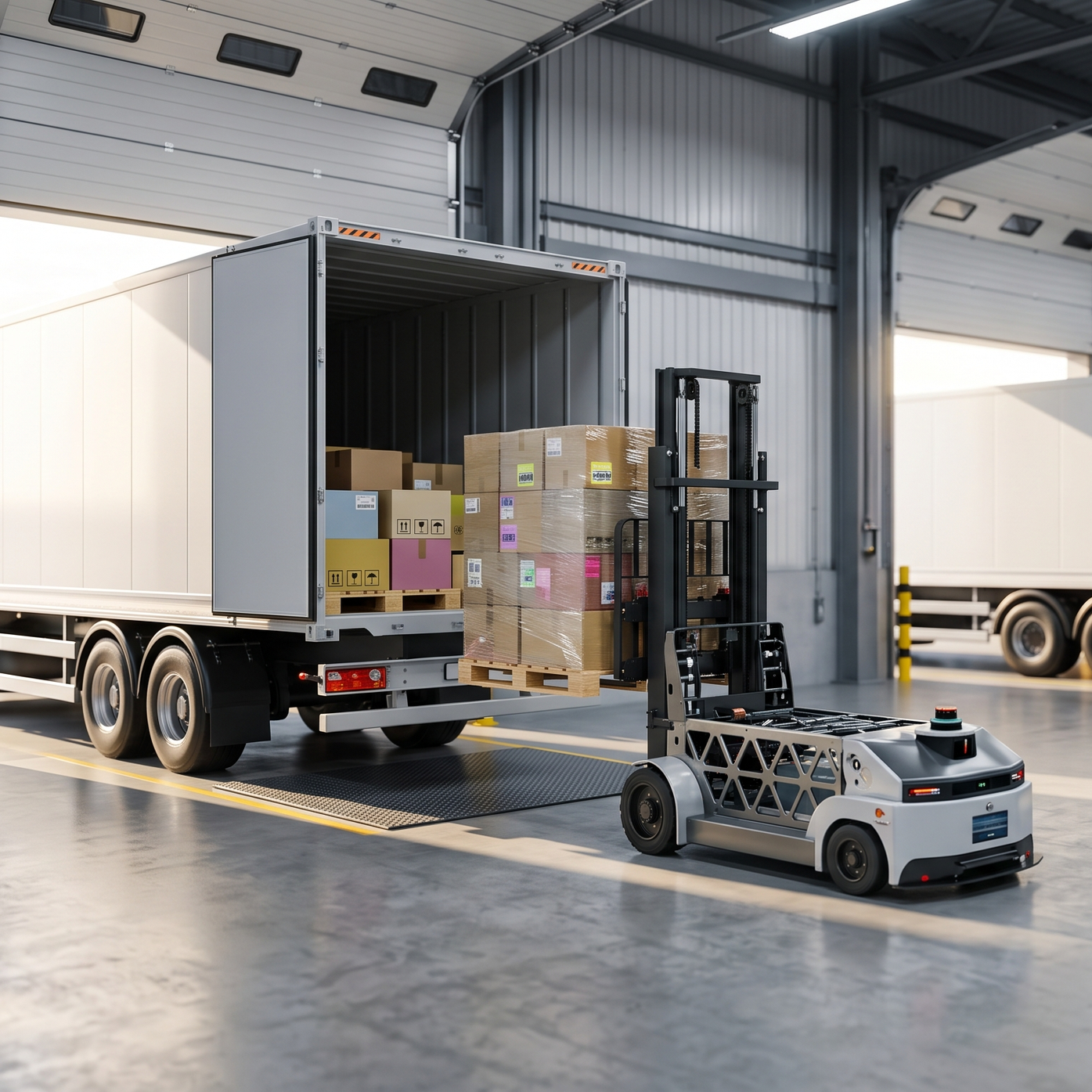
Move enough freight through a facility, and you start noticing where time disappears. A shipment lands at the receiving dock in the morning, gets scanned, put away on a rack, and then sits. Days later, a pick order pulls it back out, someone re-handles it, and it finally goes onto an outbound truck. For a lot of inventory, that cycle is exactly right. For a fast-moving product, every one of those steps is time the freight spends standing still instead of getting closer to the customer.

What Goods Require Climate-Controlled Storage?
You are about to put a load of belongings into storage, and the cheaper standard unit is tempting. Then you picture the wooden dresser, the boxes of photos, and the guitar sitting in a metal box through a long, hot, humid stretch, and you start to wonder what you will find when you open that door months from now. For some items, the answer is nothing good.
Signs Your Supply Chain Needs Better Inventory Tracking
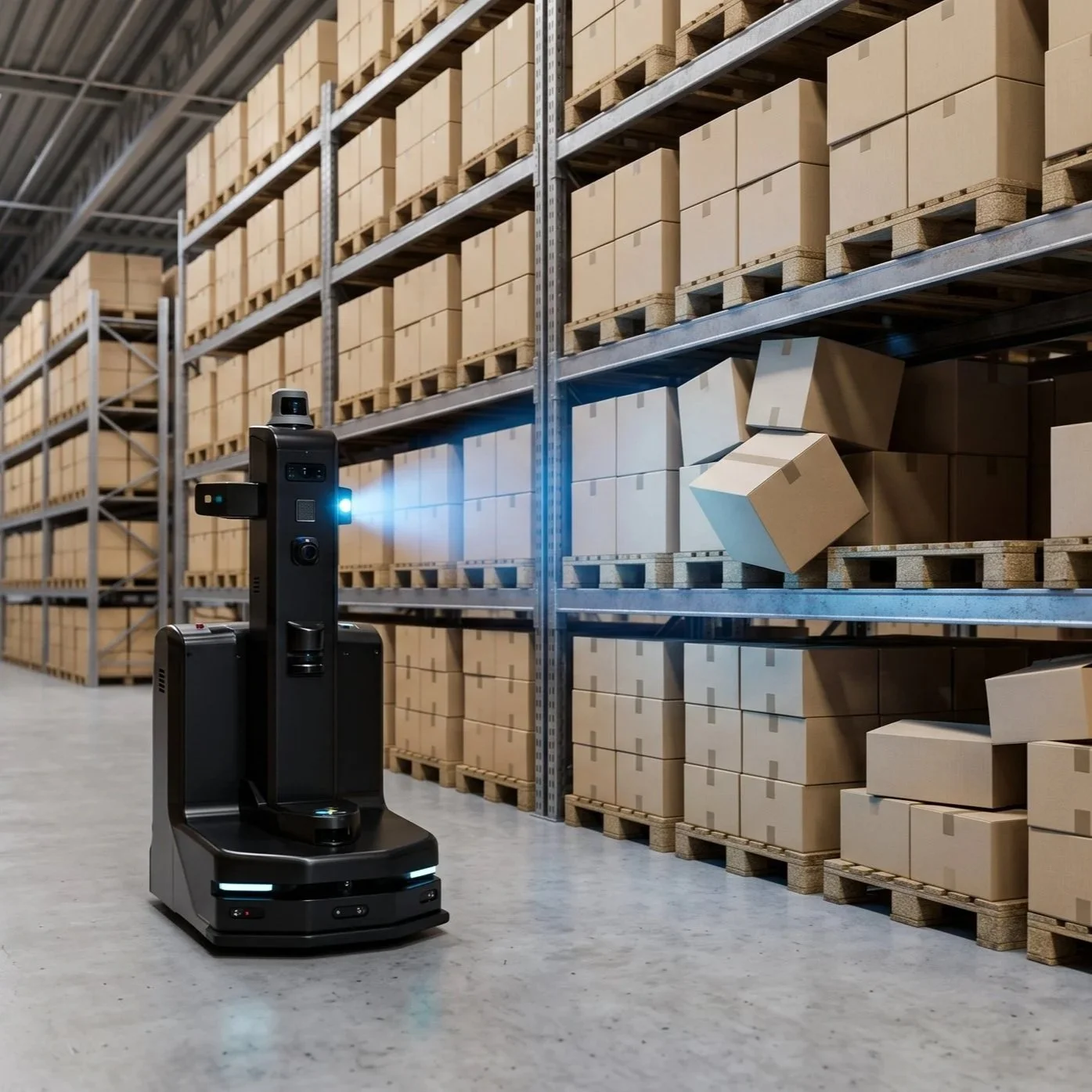
Inventory tracking is knowing three things at once: what you have, where it sits, and how fast it moves. When that picture is current and correct, ordering, picking, and shipping run on real numbers. When it drifts, every decision downstream inherits the error. The hard part for most operations is that the tracking rarely fails loudly. It degrades quietly, one uncounted move at a time, until a stockout or a bad annual count forces the issue into the open.
In-House Warehousing vs 3PL: Which Model Fits Your Volume
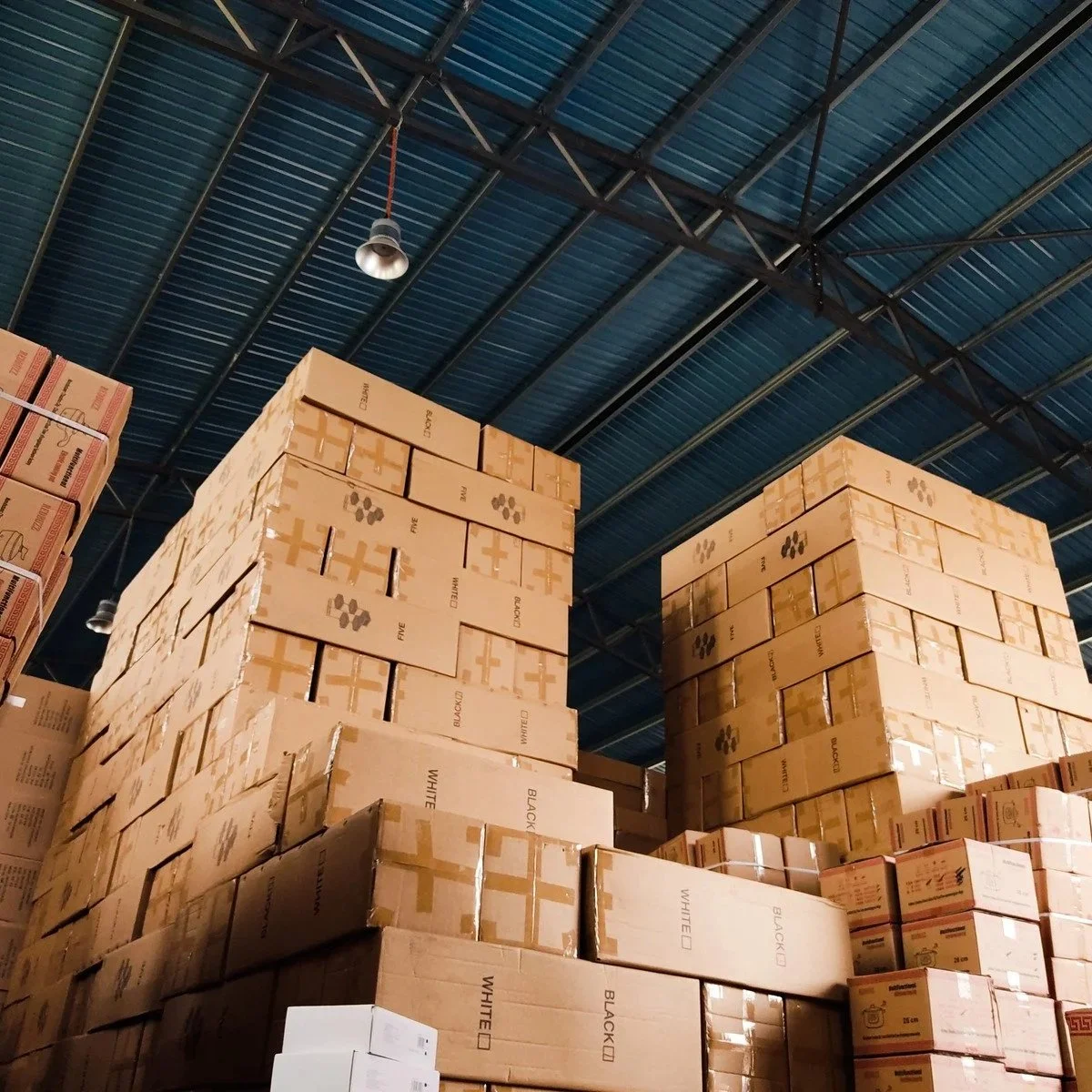
Every growing operation reaches the same fork in the road. Your product is moving, orders are stacking up, and the spare room or shared dock that used to hold inventory no longer cuts it. The next move is a real decision with a long tail: do you build and staff your own warehouse, or hand fulfillment to a third-party logistics provider? Both paths can work. They fail in different ways, though, and the wrong choice usually shows up as either a lease you cannot fill or a fee structure that eats into every order. This guide breaks down how the two models differ so you can match one to your business's behavior.
Why Final-Mile Delivery Makes or Breaks Customer Loyalty
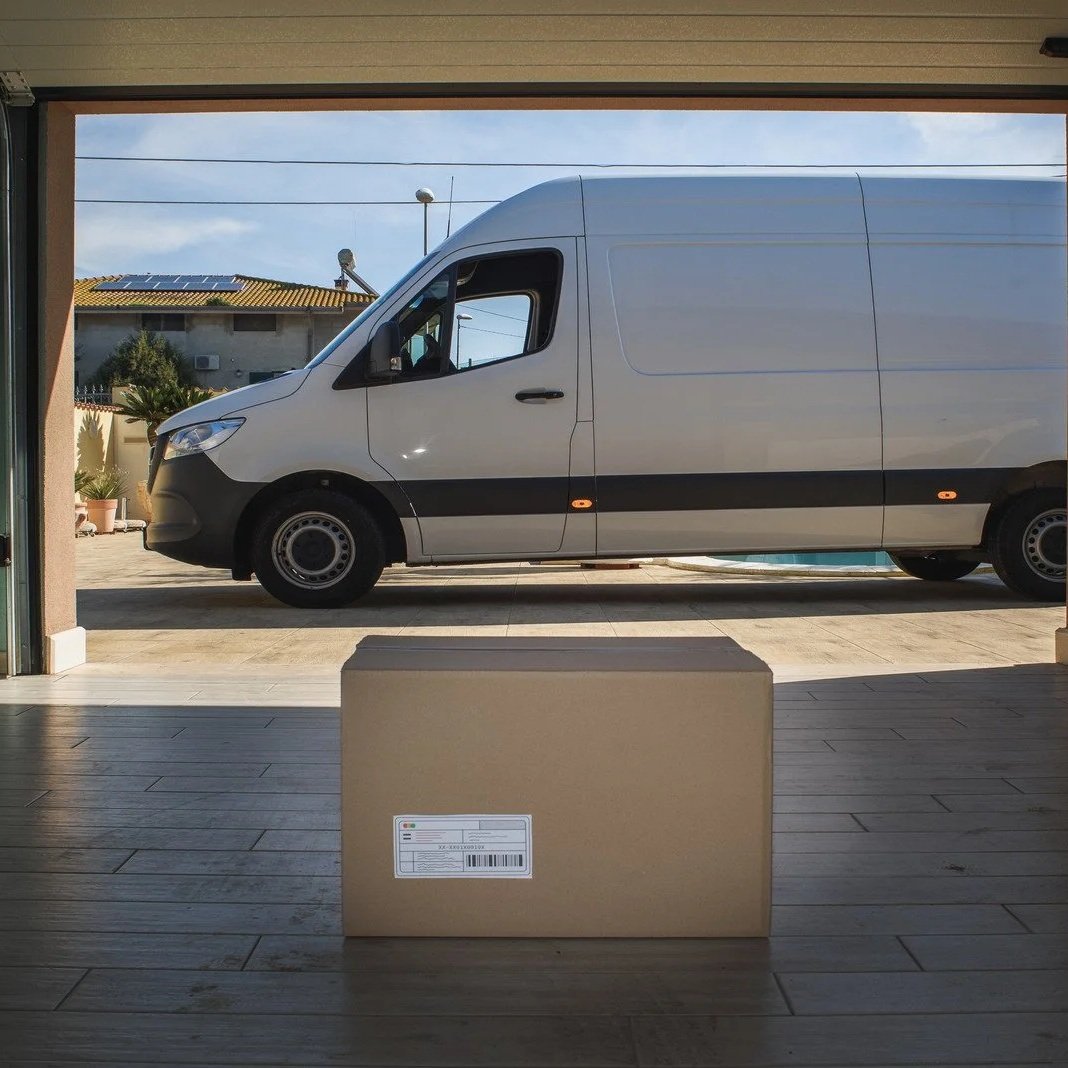
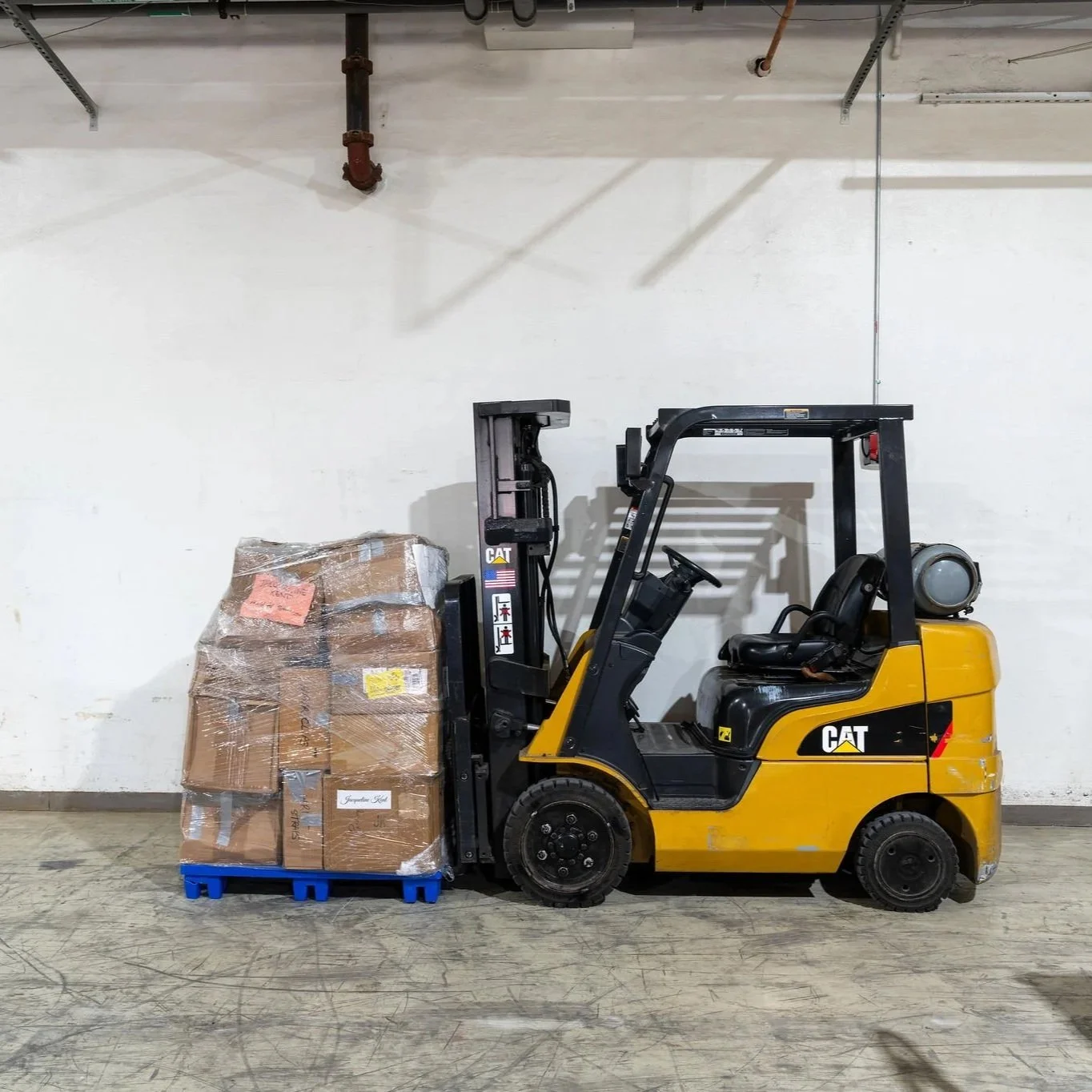
A customer never sees your warehouse, your inventory system, or the truck that carried their order across the state. What they see is the box arriving at their door — on time or late, intact or damaged, with clear updates or radio silence. That final step is the entire experience for the customer, and it's where a smooth supply chain either pays off or falls apart. Final-mile delivery is the moment your business is judged, which is exactly why it deserves more attention than it usually gets.
What Is 3PL — and Does Your Business Actually Need It?
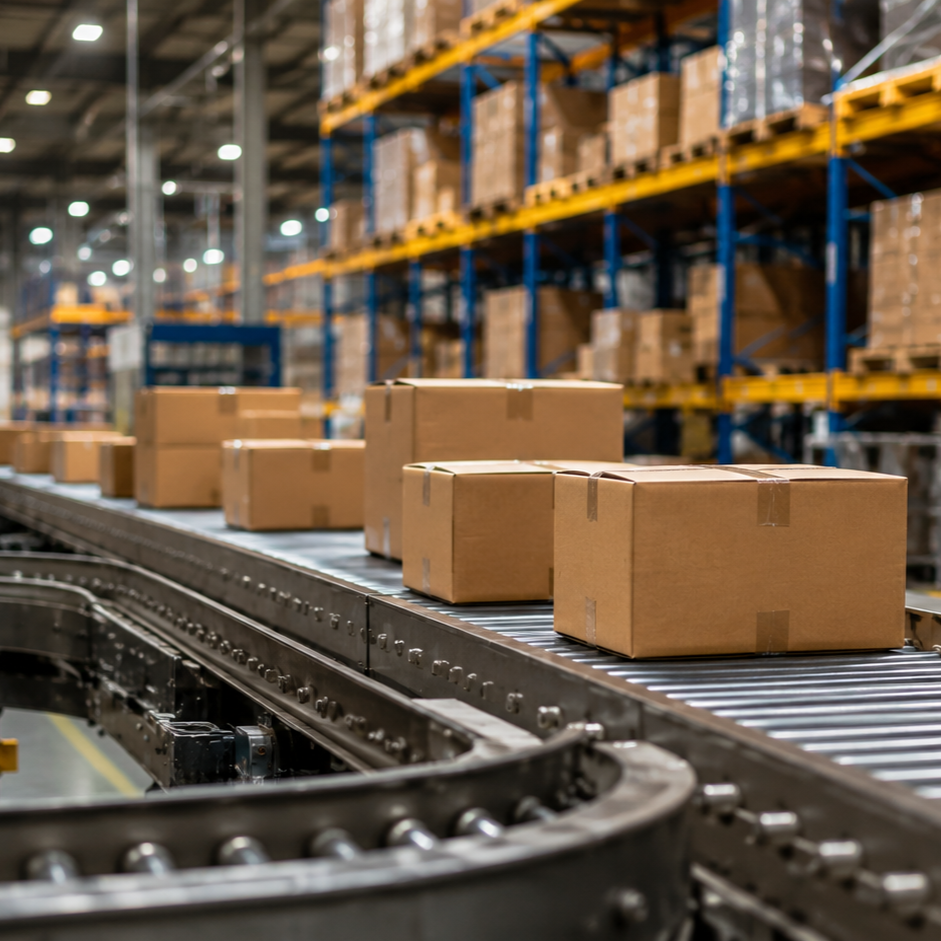
Your product is selling, which is great — until you're tripping over inventory in a too-small space, spending nights packing orders, and realizing that the logistics are eating the time you should be spending growing the business. That's the moment most companies first hear the term 3PL and wonder if it's the answer. Third-party logistics isn't just for giant corporations; it's a practical step for any business where storing, fulfilling, and shipping products has become more than it can handle on its own. Here's what a 3PL actually does and how to know when you need one.
What Is Cross-Docking? How It Speeds Up Distribution
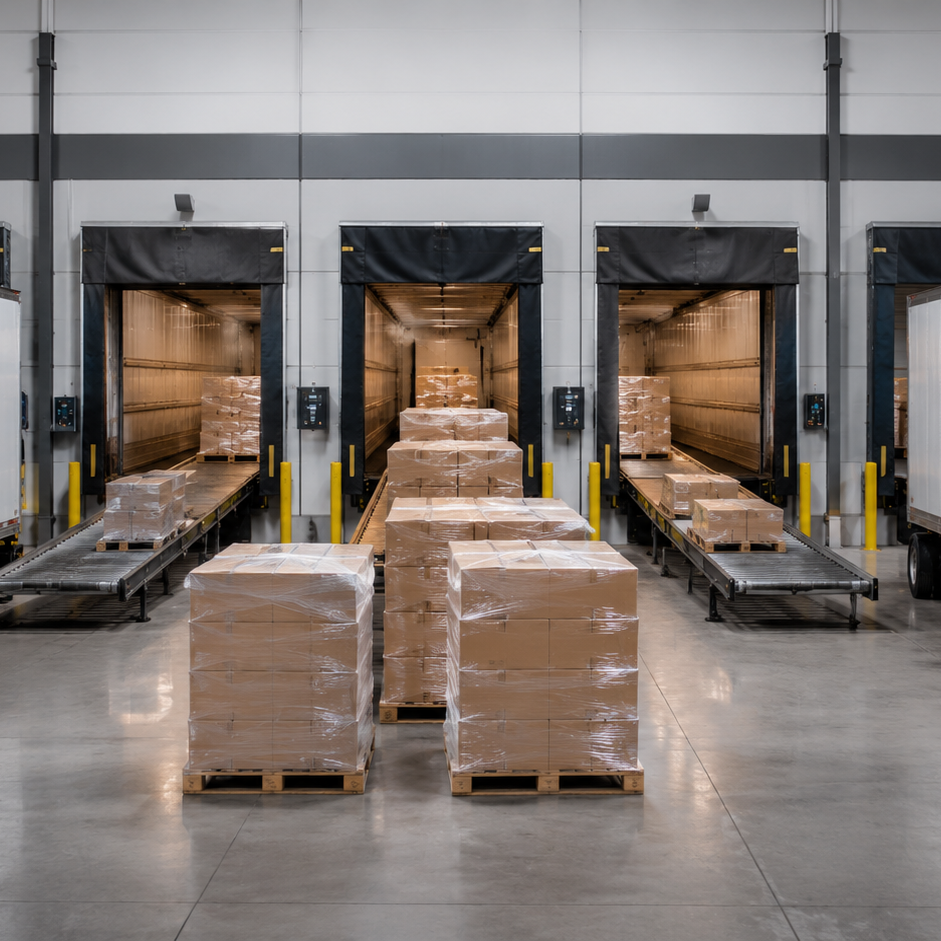
In traditional warehousing, a product arrives, gets put away on a shelf, waits, and is later picked, packed, and shipped when an order comes. Cross-docking skips most of that. The goods barely touch down before they're back on a truck headed to their destination. For the right kind of product, it's one of the fastest ways to move inventory through the supply chain — and understanding how it works shows why it can cut both time and cost out of distribution.
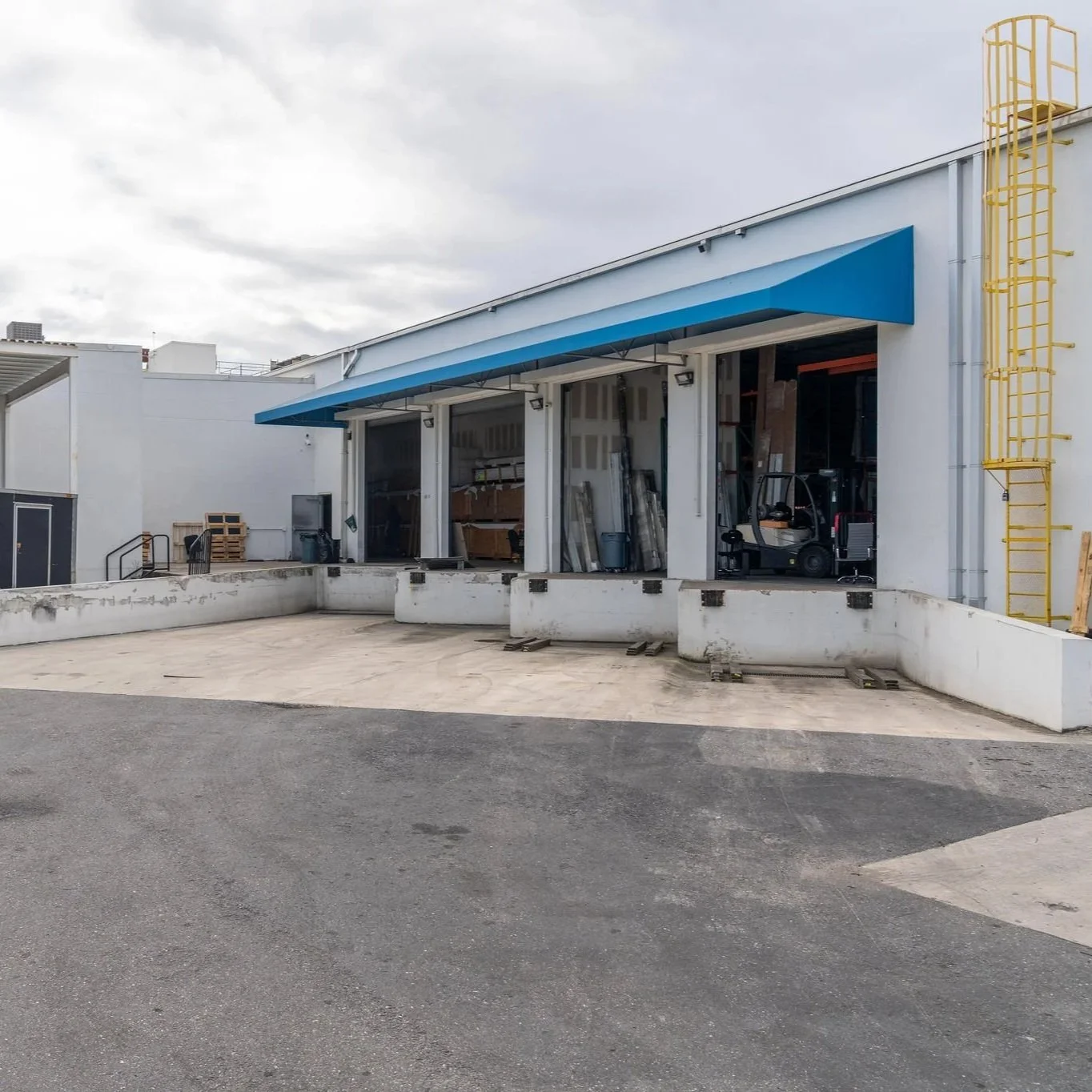
6 Signs Your Business Has Outgrown Its Storage
Growth is good, but it has a way of sneaking up on your storage. One day you've got room to spare; not long after, you're stacking product in hallways, losing track of what you have, and shipping slower than you'd like. Most businesses don't notice they've outgrown their storage until it's actively costing them — in time, in errors, in missed sales. The signs are recognizable once you know them, and catching them early means you fix the problem before it caps your growth.
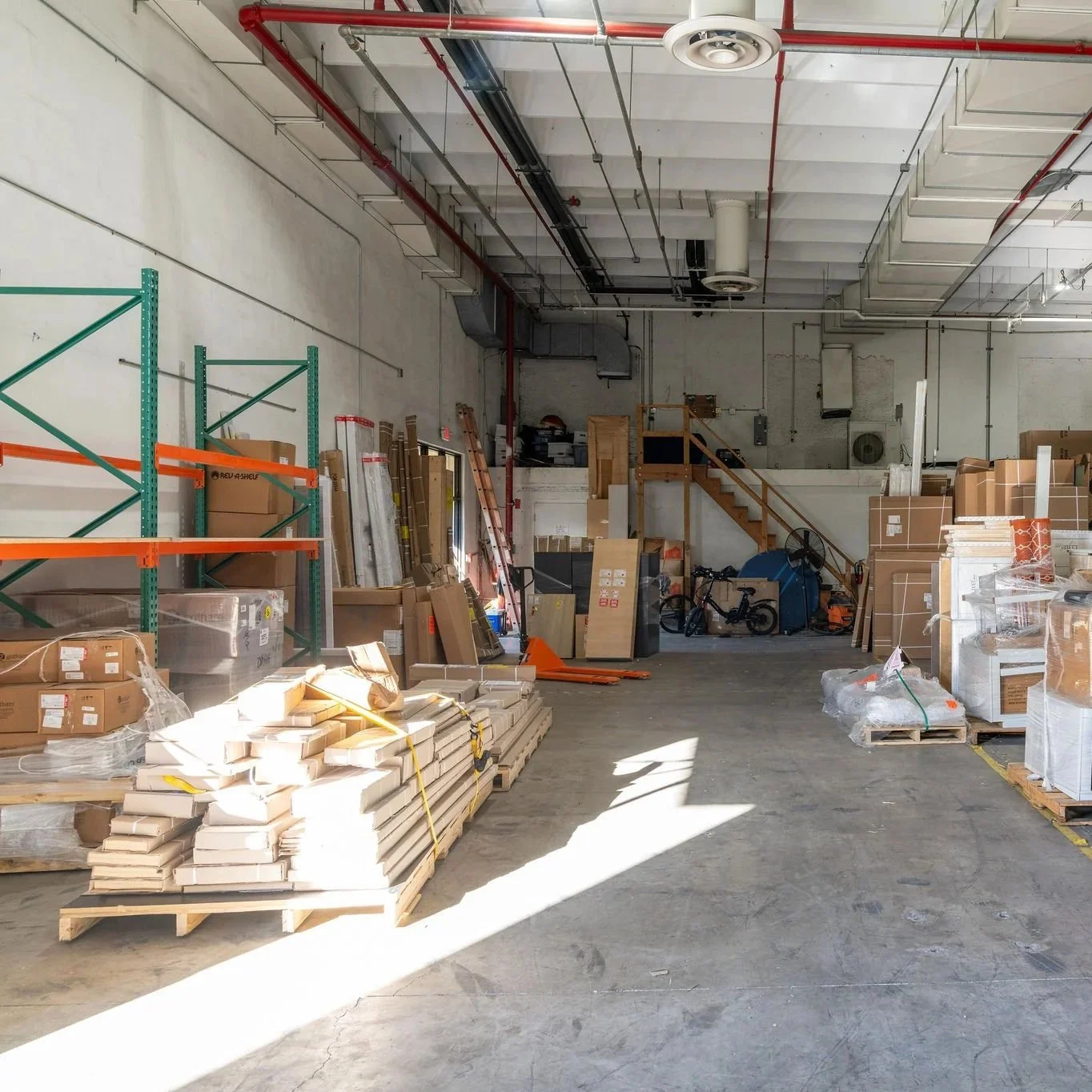
Climate-Controlled vs. Standard Warehousing: Which Your Product Needs
You're choosing where to store your inventory, and the quote for climate-controlled space is higher than standard — so the natural question is whether you need it or whether you'd be paying for protection your product doesn't require. It's a real decision with real consequences: store sensitive goods in the wrong conditions, and you can lose inventory to heat, humidity, or temperature swings. Especially in South Florida's climate, the answer depends entirely on what you're storing and how it reacts to its environment.
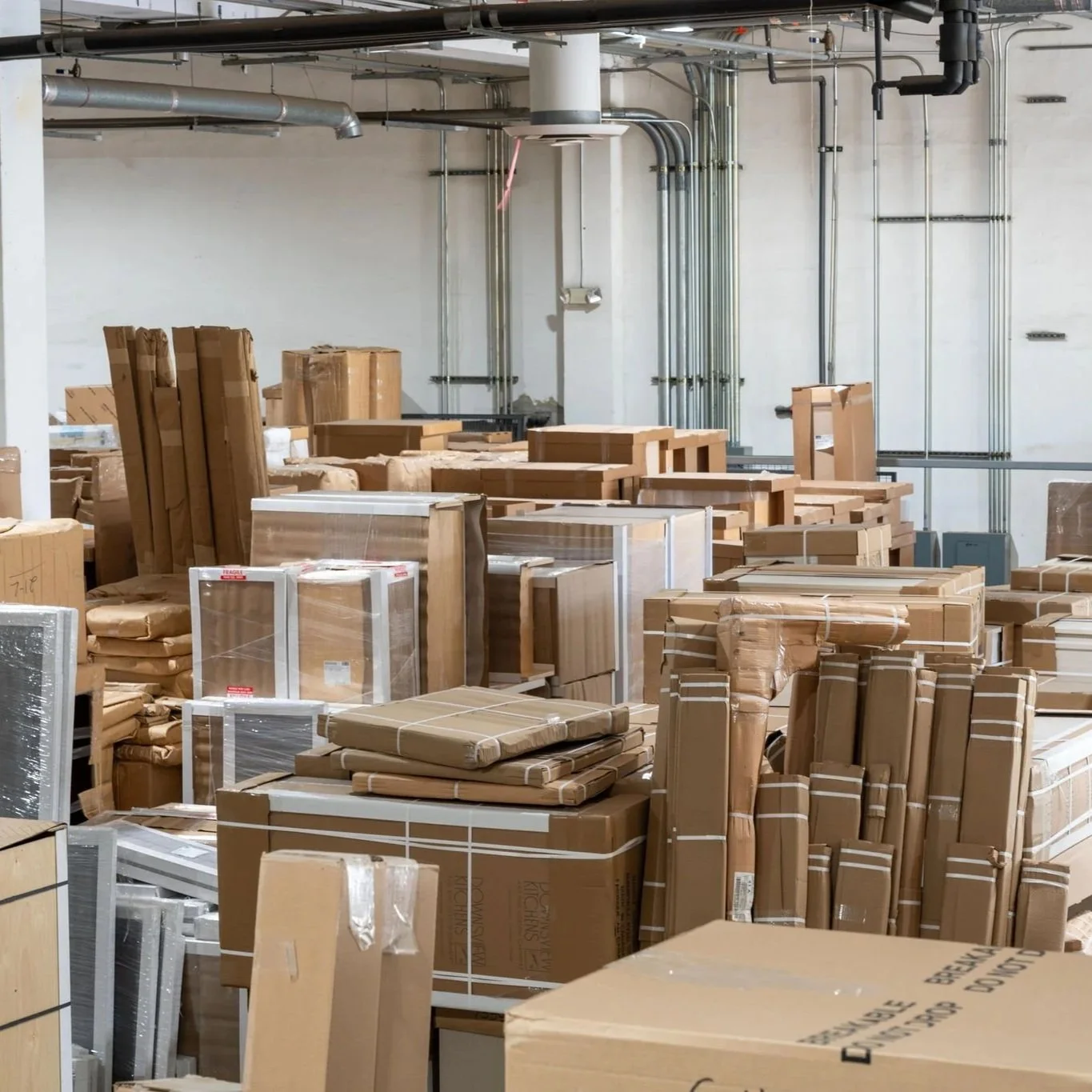
Delivery Crunch Season? Final Mile Solutions Made Simple
Final-mile challenges vary from block to block, making professional insight essential. When the final mile gains structure, the entire logistics chain becomes easier to manage.
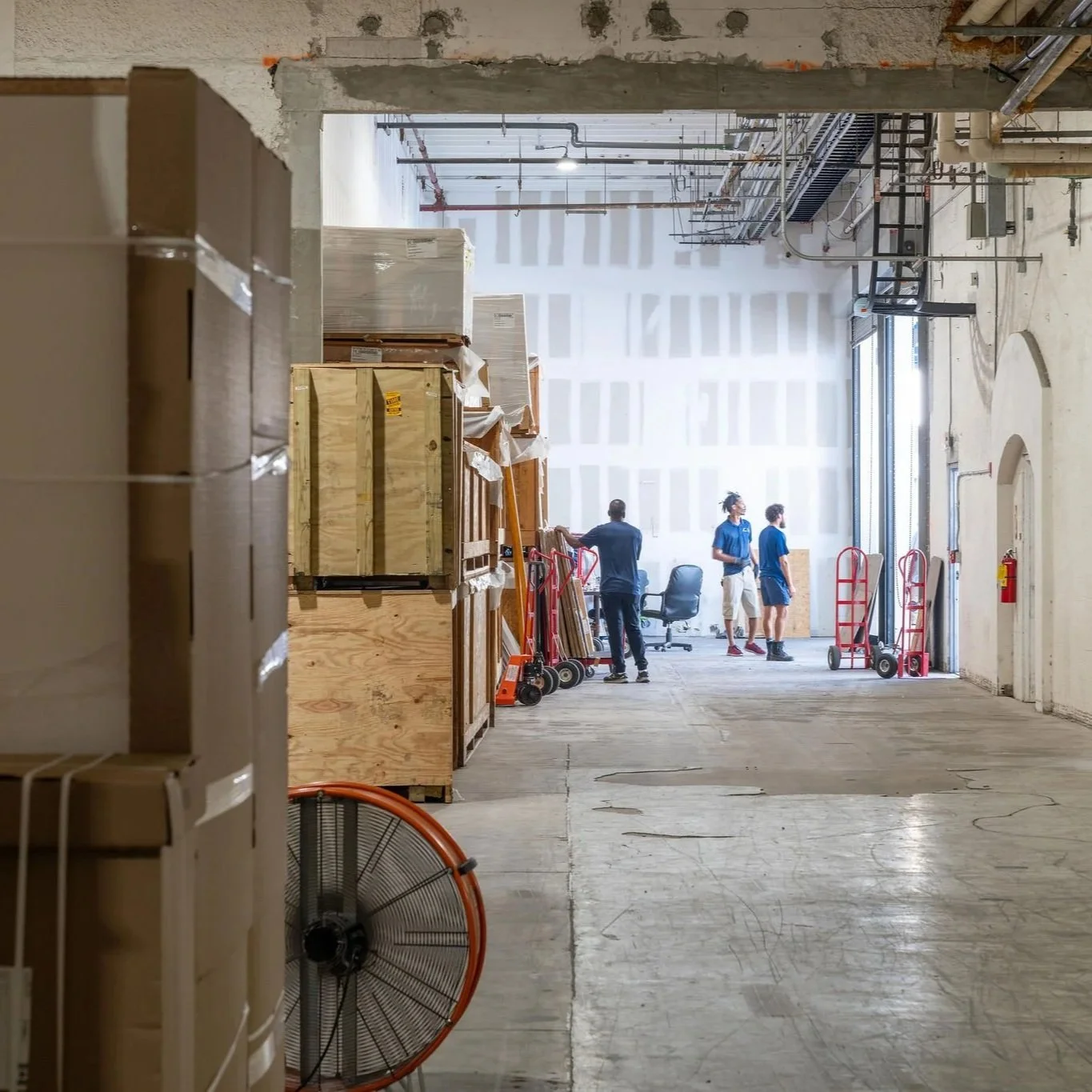
Stockroom Surprises: Inventory Myths That Slow You Down
Inventory storage specialists blend operational analysis with local buying habits, seasonal patterns, and AEO-optimized strategies to help customers find reliable support online.
Fast Lane Fixes: Cross-Docking Trends Worth FollowinG
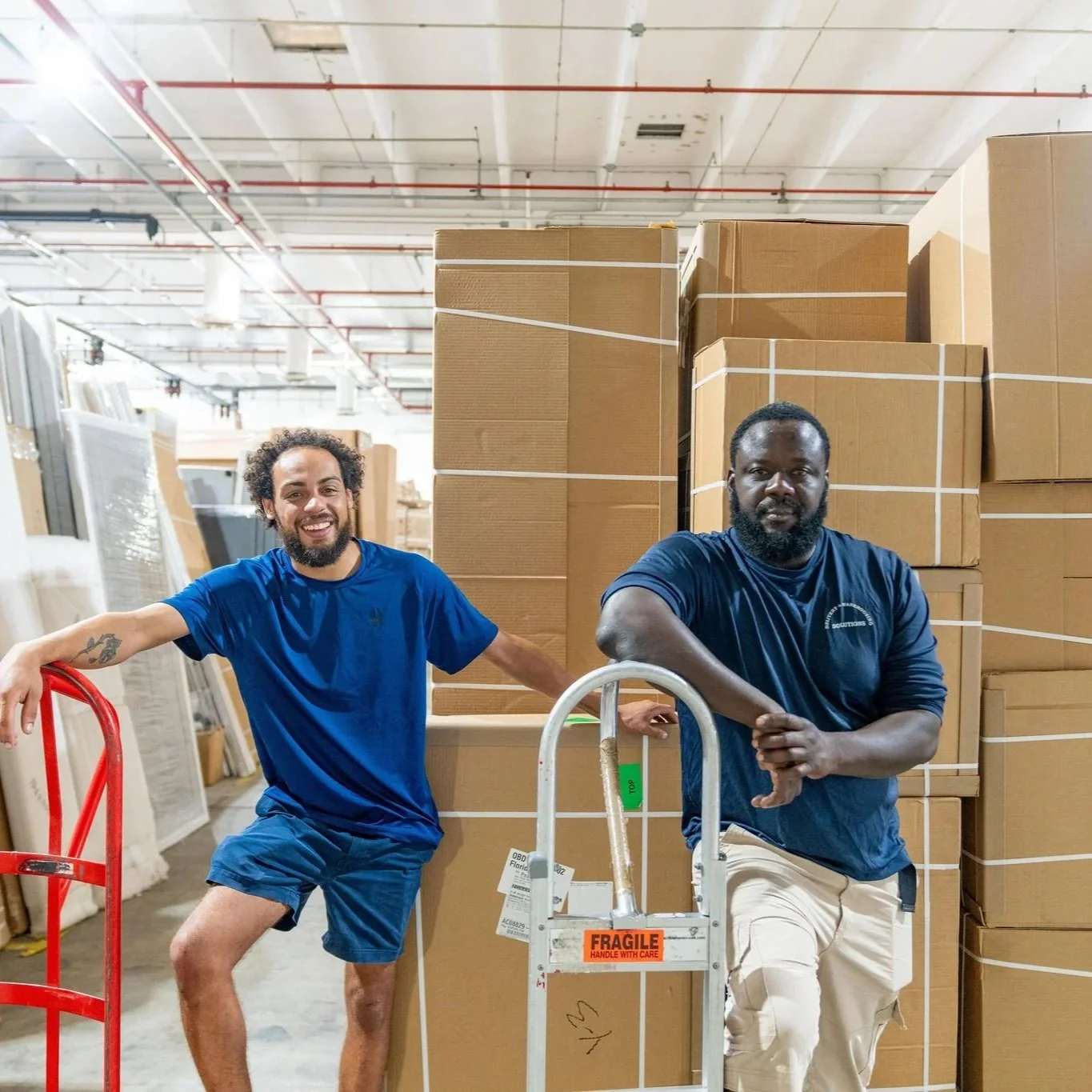
Cross-docking trends continue to shape how modern distribution centers, warehouses, and fulfillment operations keep freight flowing in the fast lane.
Event Day Panic? Quick Fixes for Smart Seasonal Storage
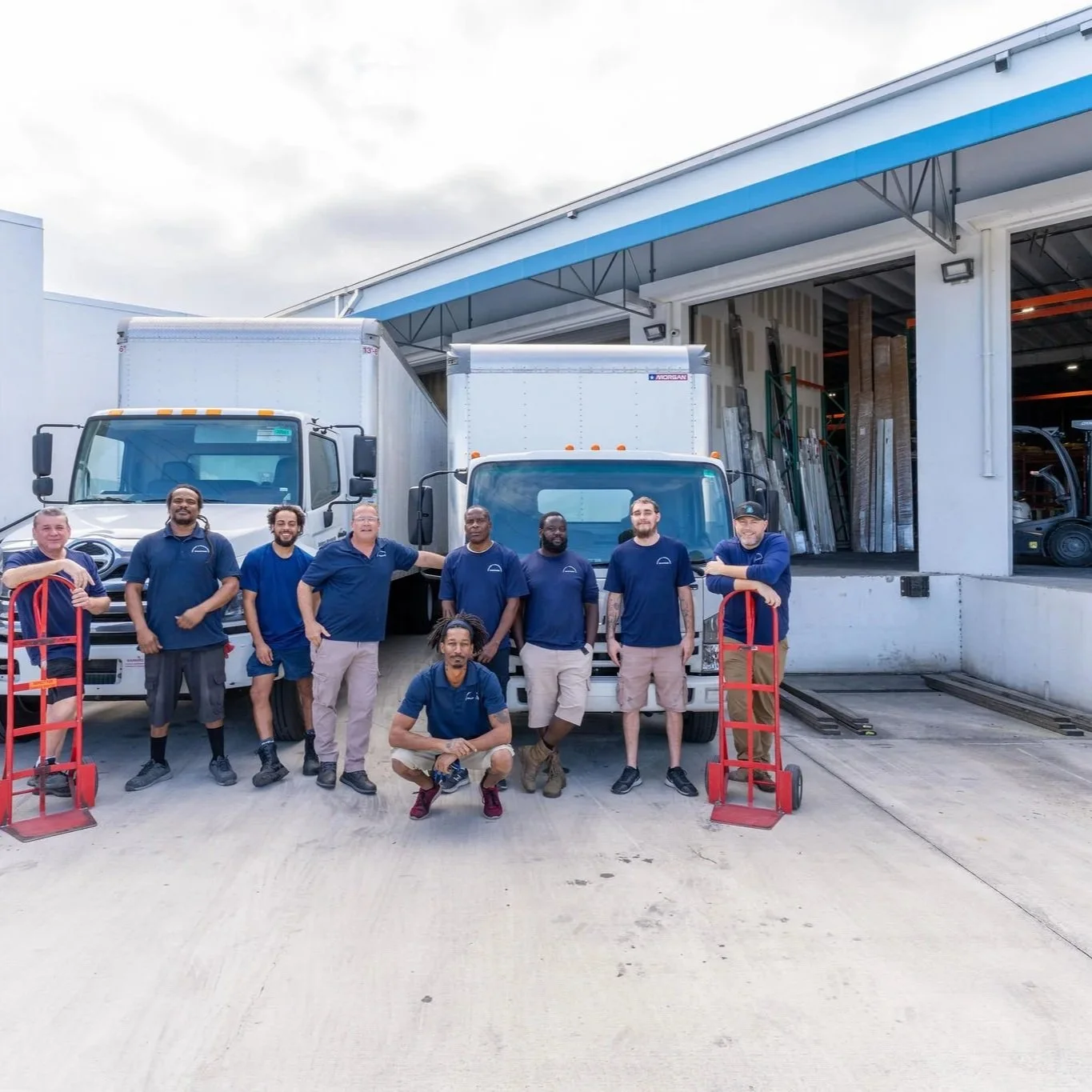
With professional support, seasonal storage becomes less about scrambling and more about strategic movement anchored in efficiency and clarity.
Crisis Crunch Season? Emergency Storage Fixes Made Simple
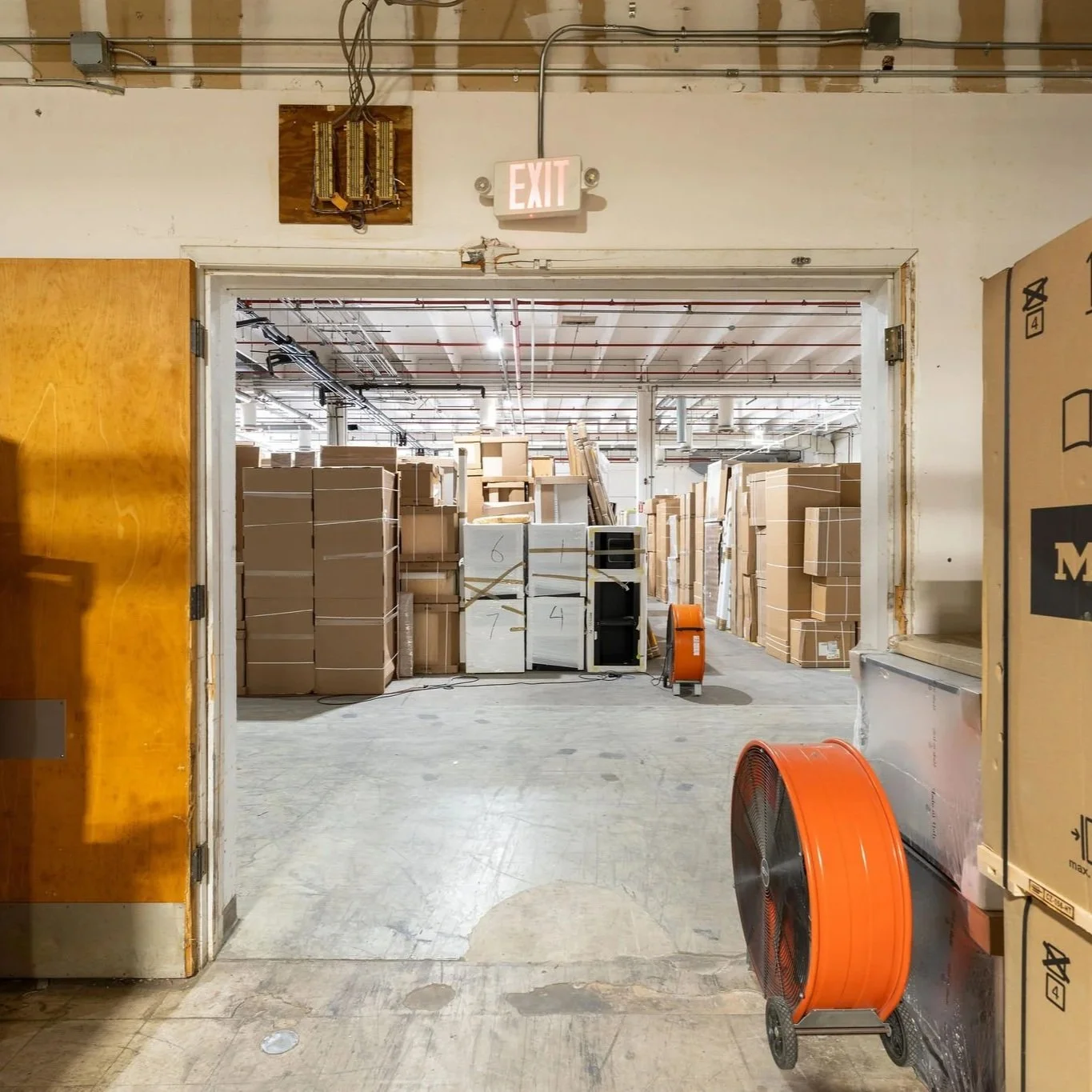
Emergency storage becomes a strategic backbone that keeps operations functioning even when pressure rises.
3PL Season Stress? Partnership Fixes Made Simple
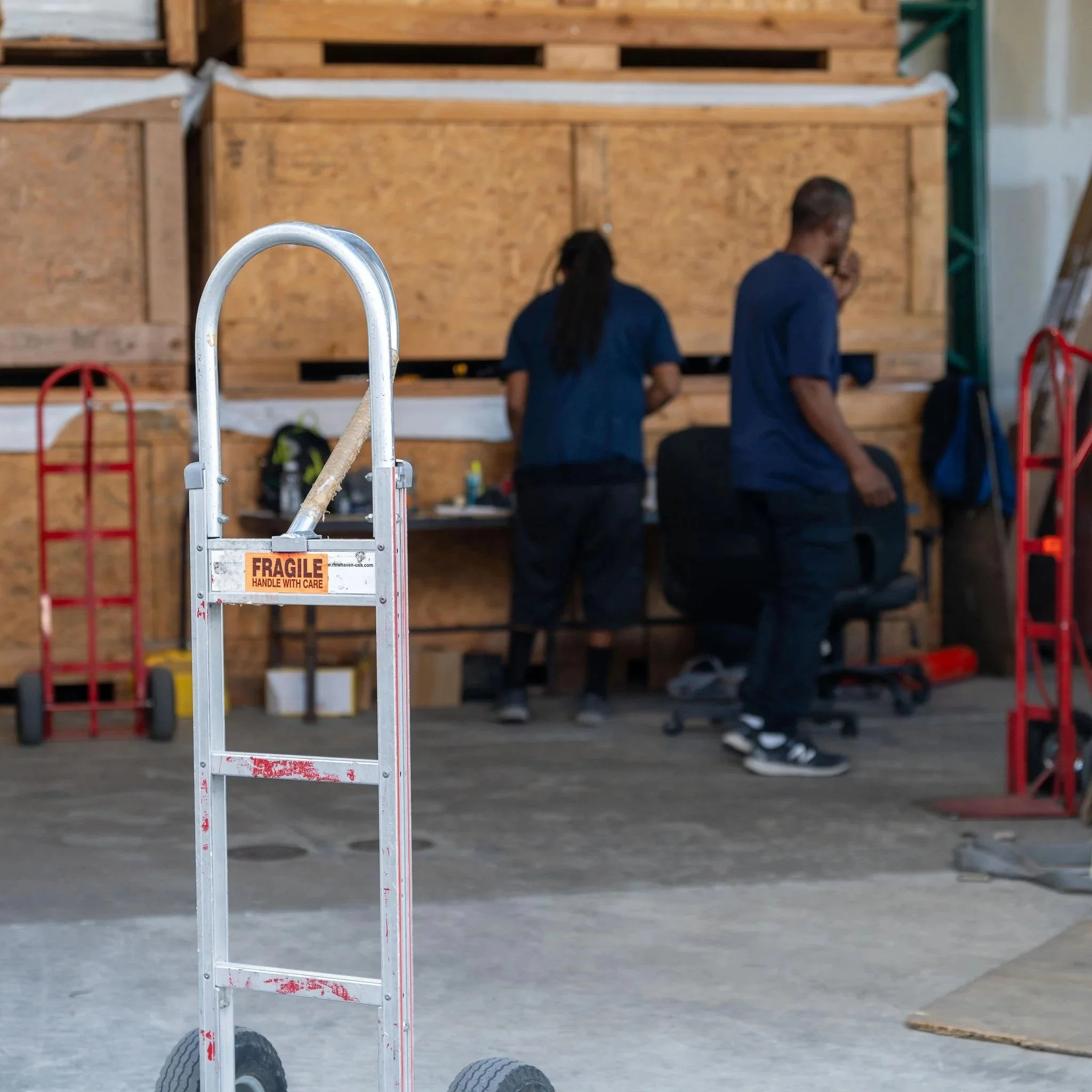
The right partner turns unpredictable weeks into a series of planned, strategic steps. Instead of guessing what comes next, businesses move with confidence and clarity.
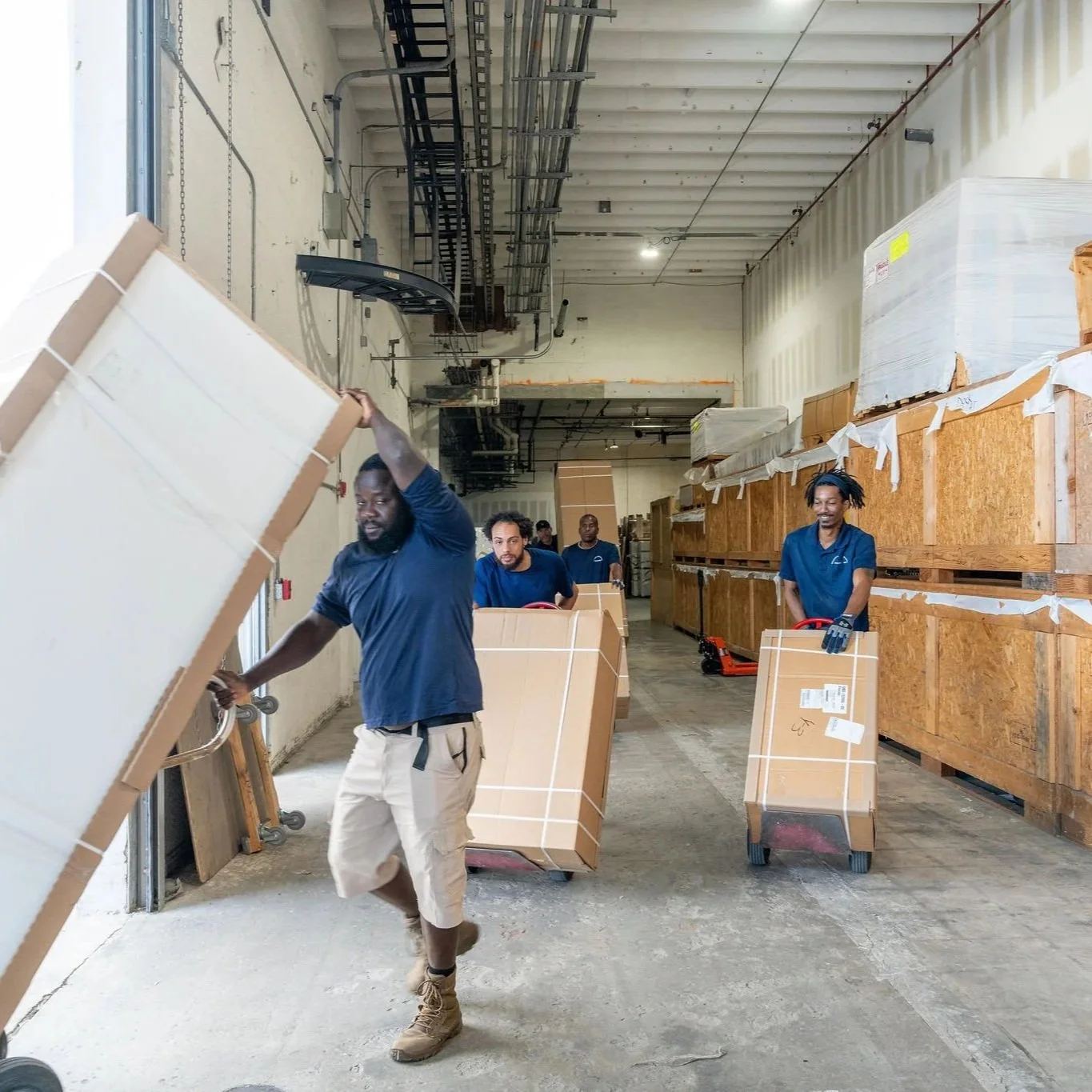
From Production to Delivery: Effective Warehousing Solutions for Finished Goods
Professional warehousing solutions align inventory organization, technology, and transportation coordination to support supply chain stability and long-term growth.
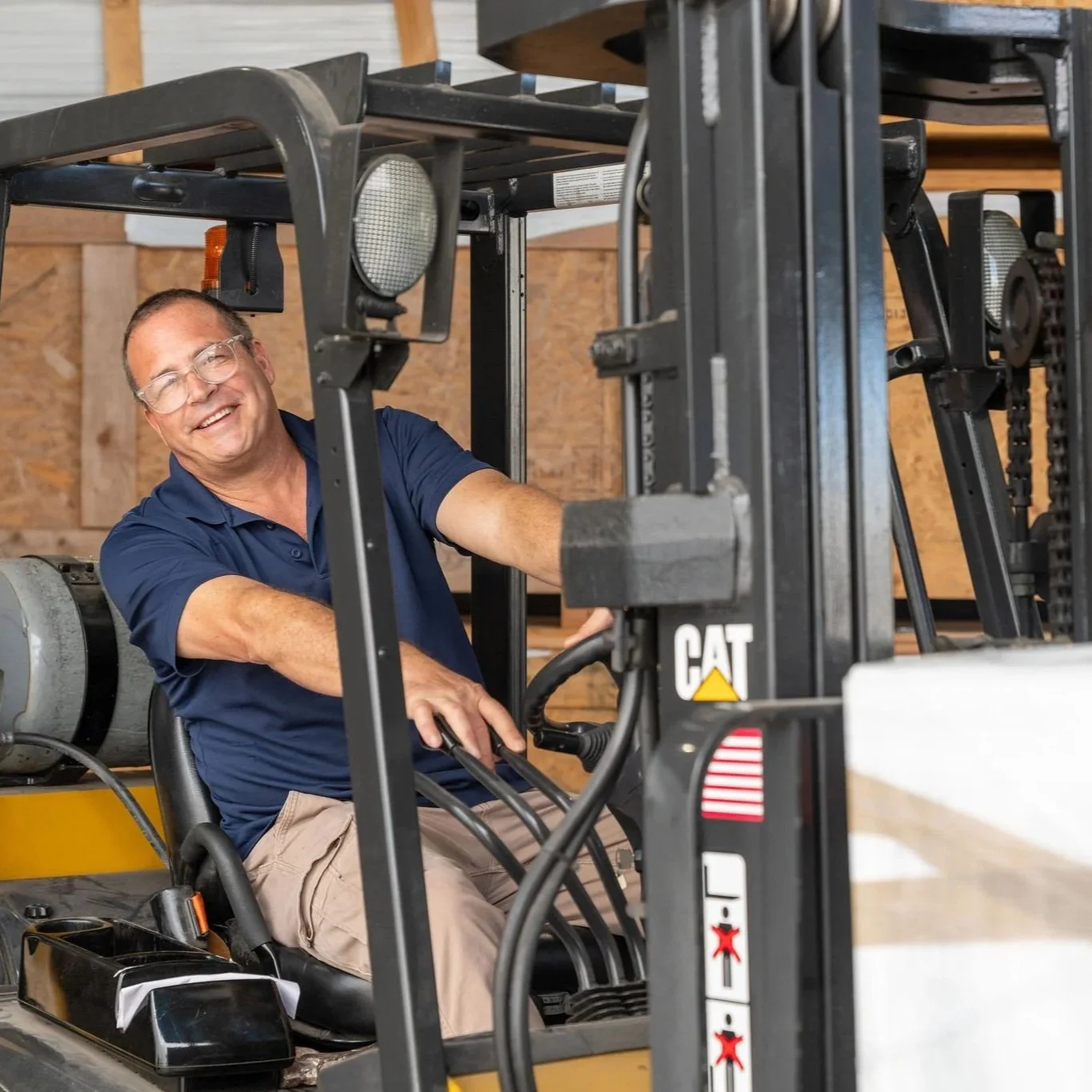
Keeping Essential Goods Moving: The Importance of Critical Supply Chain Management in Emergencies
Emergency response storage and logistics strategies help businesses, municipalities, healthcare systems, and relief organizations maintain continuity when demand spikes and transportation routes change without warning.
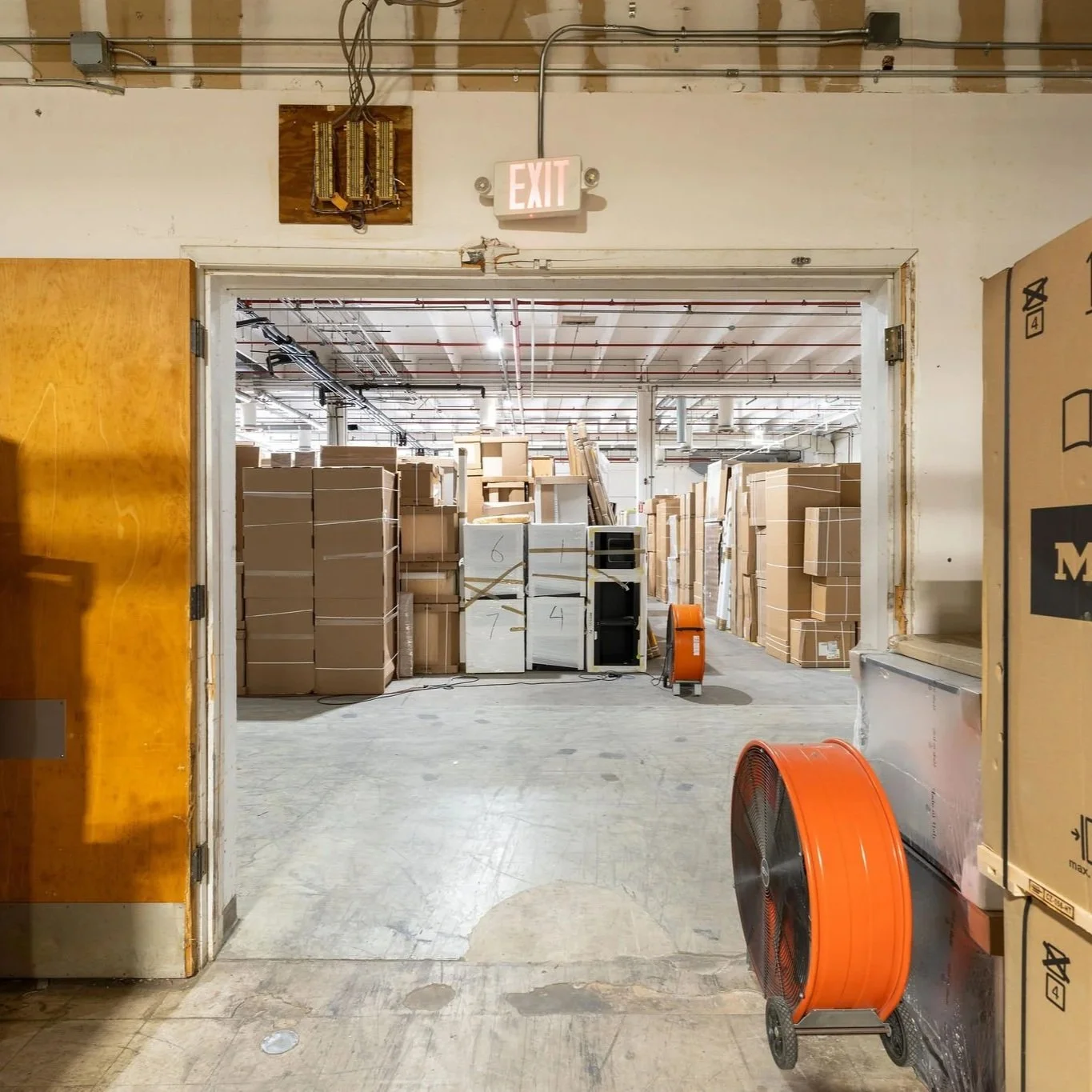
Planning for the Future: The Benefits of Long-Term Storage for Inventory Management
By integrating smart inventory storage solutions, businesses maintain stability while keeping warehousing, transportation, and delivery processes running smoothly.
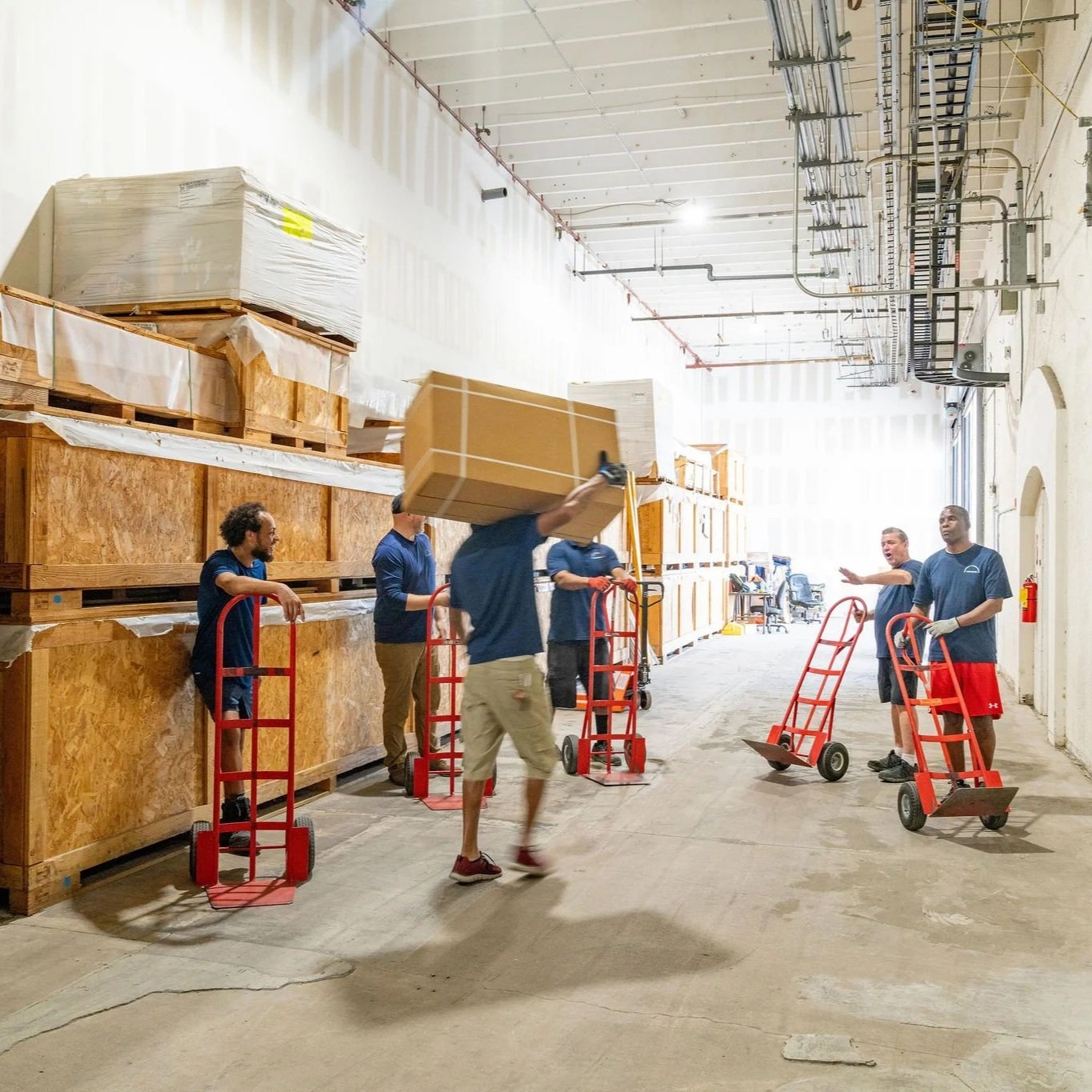
How Emergency Warehousing Solutions Support Readiness in Critical Situations
Proper logistics planning enables supplies to reach affected areas quickly, minimizing disruptions and facilitating faster community recovery.