
Signs Your Supply Chain Needs Better Inventory Tracking
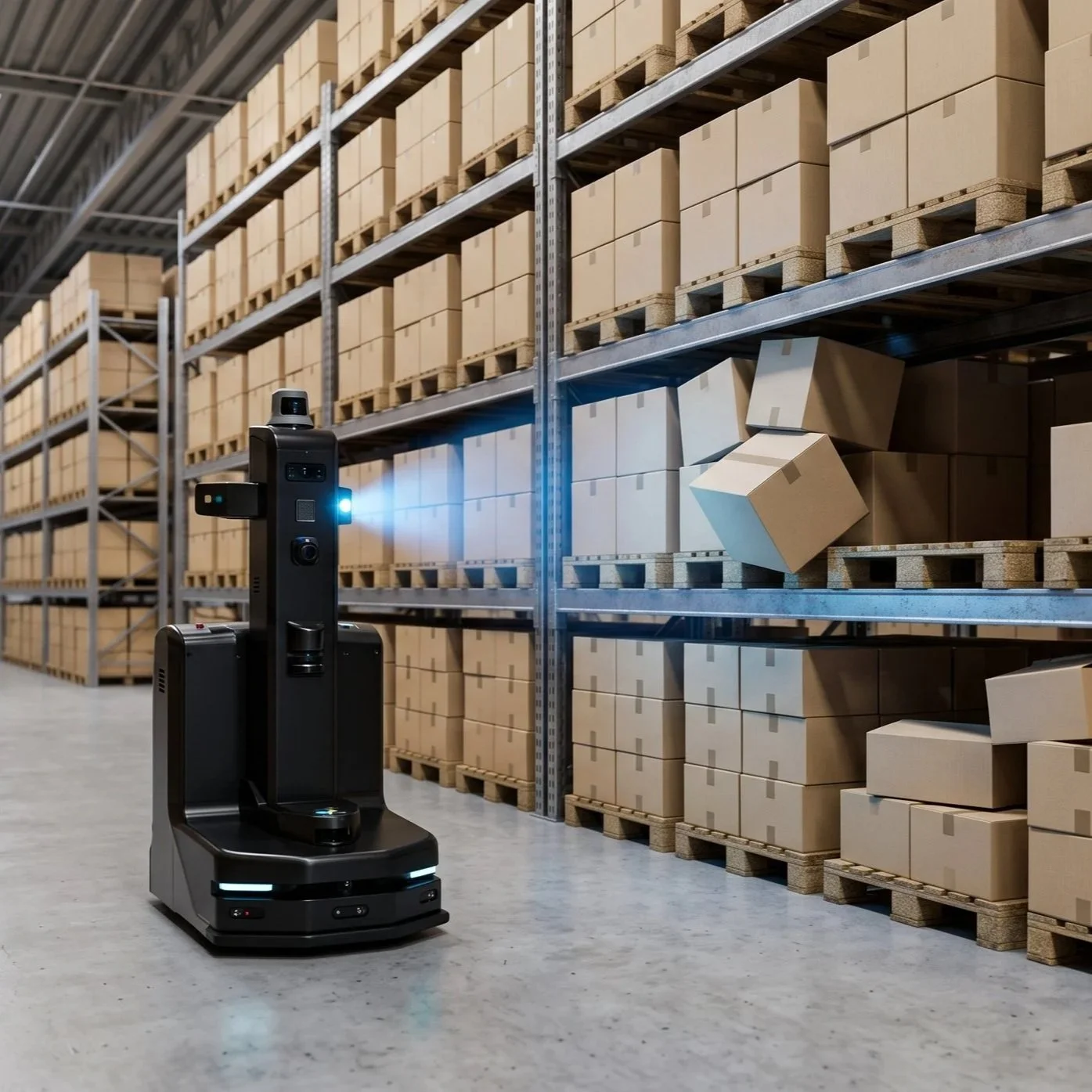
Inventory tracking is knowing three things at once: what you have, where it sits, and how fast it moves. When that picture is current and correct, ordering, picking, and shipping run on real numbers. When it drifts, every decision downstream inherits the error. The hard part for most operations is that the tracking rarely fails loudly. It degrades quietly, one uncounted move at a time, until a stockout or a bad annual count forces the issue into the open.
If you run a warehouse or manage operations for one, the question worth asking is not whether your tracking is perfect. It is whether the gap between your records and your shelves has grown large enough to cost you sales, cash, and labor. Below are the signs that a gap has opened, why each one happens at the mechanism level, and what a tighter tracking setup changes.
Quick Answer: Your inventory tracking needs work when you regularly stock out of popular items while slow ones pile up, when the system count and the physical count disagree by a wide margin, and when finding an item in the warehouse takes real searching. Those three patterns point to a visibility problem, not a demand problem, and they are what a warehouse management system with barcode or RFID scanning is built to fix.
The Core Mechanism: Records Drift From Reality
Think of inventory records the way you would think of a bank ledger. Every deposit and withdrawal must post, or the balance will stop matching the account. A warehouse works the same way. Every receipt, put-away, pick, transfer, and return is a transaction that has to post to the record. Miss enough of them, or post them late, and the number in the system stops describing the goods on the shelf.
That drift is the root cause behind almost every symptom in this article. A stockout is a drift you noticed too late to reorder. A count variance is the drift measured all at once. A picker wandering the aisles is drifting in the location field rather than the quantity field. Once you see the symptoms as one underlying problem, the fix stops being a patch on each one and becomes a decision about how transactions get captured in the first place.
Sign One: Stockouts and Overstock at the Same Time
The clearest tell is running out of the items customers want while slow movers stack up on the racks. On the surface, these look like opposite problems. Underneath, they share a cause. When you cannot see true, current stock levels, you reorder on gut feel and old numbers, so you overbuy what feels safe and underbuy what actually sells. The popular item empties out between counts, and nobody sees it coming. The slow item keeps getting reordered because nothing flags that it is not moving.
Before you treat this as a purchasing failure, separate the two possibilities. A demand problem means you truly misjudged what the market wanted. A visibility problem means the demand signal was there, but your records were too stale to act on it. Better tracking does not fix demand forecasting on its own, but it removes the visibility half of the equation so you can see which problem you actually have.
Sign Two: The System Count and the Physical Count Disagree
When someone walks the floor and counts by hand, the number should match the system. A small variance is normal. A wide or growing one is a signal. The usual sources are shrinkage, mispicks where the wrong item or quantity leaves the shelf, and receiving errors where what arrived was never posted correctly. Each of those is a transaction that failed to reach the record, and the variance is the accumulated total.
The size of the gap tells you how much you can trust any decision built on the record. If the variance is large, your reorder points, your available-to-promise numbers, and your reports are all running on fiction. This is worth watching as a trend, not just a snapshot. A month-over-month widening in variance indicates the capture method is losing ground relative to the pace of activity on the floor.
Sign Three: Orders Ship Late, Short, or Wrong
Late shipments, short shipments, and outright wrong items are the customer-facing edge of an internal tracking problem. If the record says an item is in stock and it is not, the order stalls. If the location field points a picker to the wrong bin, the pick takes longer or grabs the wrong thing. Every one of these traces back to a record that did not match the shelf at the moment the order dropped.
The cost here compounds. A wrong shipment is a return, a re-pick, a re-ship, and a customer who now double-checks everything you send. Accuracy at the shelf is what keeps that chain from starting.
Sign Four: Nobody Knows Where the Item Is
A correct count answers how many. It says nothing about where. Plenty of operations know they have 40 units somewhere in the building and still lose 10 minutes per order while sending a picker to find them. Location tracking down to the bin and shelf is what closes that gap, and its absence is one of the most expensive tracking failures because the cost hides inside labor hours that never show up as a line item.
If your pickers rely on memory, tribal knowledge, or a walk-and-look routine, the location half of your tracking is missing, even if the quantity half is fine. Both halves have to be current for the system to actually save time.
Sign Five: You Are Still Running on Spreadsheets and Manual Counts
Spreadsheets and clipboard counts share a single weakness: a human has to key in every change, and humans skip steps when the floor gets busy. The method works at low volume and quietly falls apart as activity climbs, because the rate of missed entries rises with the pace of work. A spreadsheet also cannot show you inbound or in-transit stock, so you are blind to what is already on its way, and you reorder against a number that is about to change.
The other tells the cluster here. Dead stock is piling up because nothing flags items that have stopped moving. Surprises at the annual physical count because that count is the first honest measurement all year. Cash tied up in the wrong inventory because the buying decisions ran on stale numbers. These are not separate failures. They are what a manual system produces once the volume outgrows it.
Why It Matters at the Business Level
Poor tracking costs money in four directions at once. Stockouts are lost sales, revenue that walks because the item was not there. Overstock is cash frozen in goods that sit, money that could have funded the items customers actually wanted. Labor waste is the searching, recounting, and re-picking that never had to happen. And unhappy customers are the slow leak, the accounts that quietly shift orders elsewhere after one too many wrong shipments.
None of these show up as a single dramatic number. That is exactly why the problem persists. Each cost is small per occurrence and easy to write off, and the total only becomes visible when you add them up or when the annual count exposes how far the records had drifted.
What Better Tracking Actually Looks Like
Tighter tracking is not one tool. It is a set of practices that keep records matched to the shelf as activity happens rather than after the fact.
A warehouse management system, or WMS, is the backbone. It holds the record and enforces the transactions, so a put-away or a pick has to post before the next step. Paired with barcode scanners or RFID, it captures each move at the point it occurs rather than waiting for someone to key it in later. That single change is what converts a batch of end-of-day data entry into a live count.
Real-time counts replace the guesswork between annual counts. Cycle counting replaces the one big count with a rotating schedule that checks a slice of the inventory continuously, so errors surface and get corrected while they are small. Lot and serial tracking records, which batch went to which order, which matters the day you need to trace a recall. And integration with your sales channels closes the loop, so an order placed online decrements the shelf record without a manual touch.
The point of all of it is the same: shrink the gap between the record and the reality, and keep it shrunk as volume grows. That is what turns your inventory data back into something you can plan against.
Frequently Asked Questions
Stocking out of your best sellers while slow items pile up at the same time. When both happen together, it means you cannot see true, real-time levels, so you reorder the wrong things and miss the ones customers actually want. One way to quantify how bad the drift has gotten is inventory record accuracy (IRA): well-run warehouses target 95 to 98 percent or higher, and once you fall below that band, the reorder math itself starts breaking, which is what produces the simultaneous stockout-and-overstock pattern.
It means inventory accuracy has slipped, usually from shrinkage, mispicks, or receiving errors that never posted to the record. A large or growing variance is a direct signal that the tracking method is not capturing what is really happening on the floor. This is also where ABC stratification earns its keep: A-items (your high-value, high-velocity SKUs) get counted most often and C-items least, so the variance is caught first, where an error costs the most money.
Cycle counting counts a small portion of the inventory on a rotating schedule throughout the year rather than all of it at once. Because it runs continuously, errors get caught and corrected as they appear instead of accumulating into one disruptive annual physical count that shuts operations down for days while the whole building is counted at the same time.
Scanning captures each move automatically instead of relying on someone to key it in later, and the error math is stark: manual keying runs roughly one error per few hundred keystrokes, while a barcode scan sits far below that. A simple 1D barcode holds a single number, whereas a 2D or GS1 barcode packs in lot and expiry data, and passive RFID goes further still by reading tags in bulk without line of sight, so a whole pallet posts as it rolls through a dock door.
A correct count is useless if a picker cannot find the item. This is where directed putaway and slotting by velocity come in: the system routes each SKU to a home based on how fast it moves, and a bin-location naming convention (aisle-bay-level) gives every spot a unique address a picker can walk straight to. A count-only system has none of that, so it can tell you that you own forty units and still leave someone hunting for them.
Yes. Lot and serial tracking records, which batch went to which order, so if a product has to be recalled, you can trace and pull exactly the affected units instead of guessing. A basic count-only system cannot do that, because it knows how many you have but not which specific batch each unit came from or where each one shipped.
Schedule a warehouse walkthrough — get a clear read on where your tracking is leaking sales and labor. Delivery and Warehousing Solutions serves West Palm Beach, Palm Beach Gardens, Jupiter. Call (561) 842-0044.
