
Planning for the Future: The Benefits of Long-Term Storage for Inventory Management
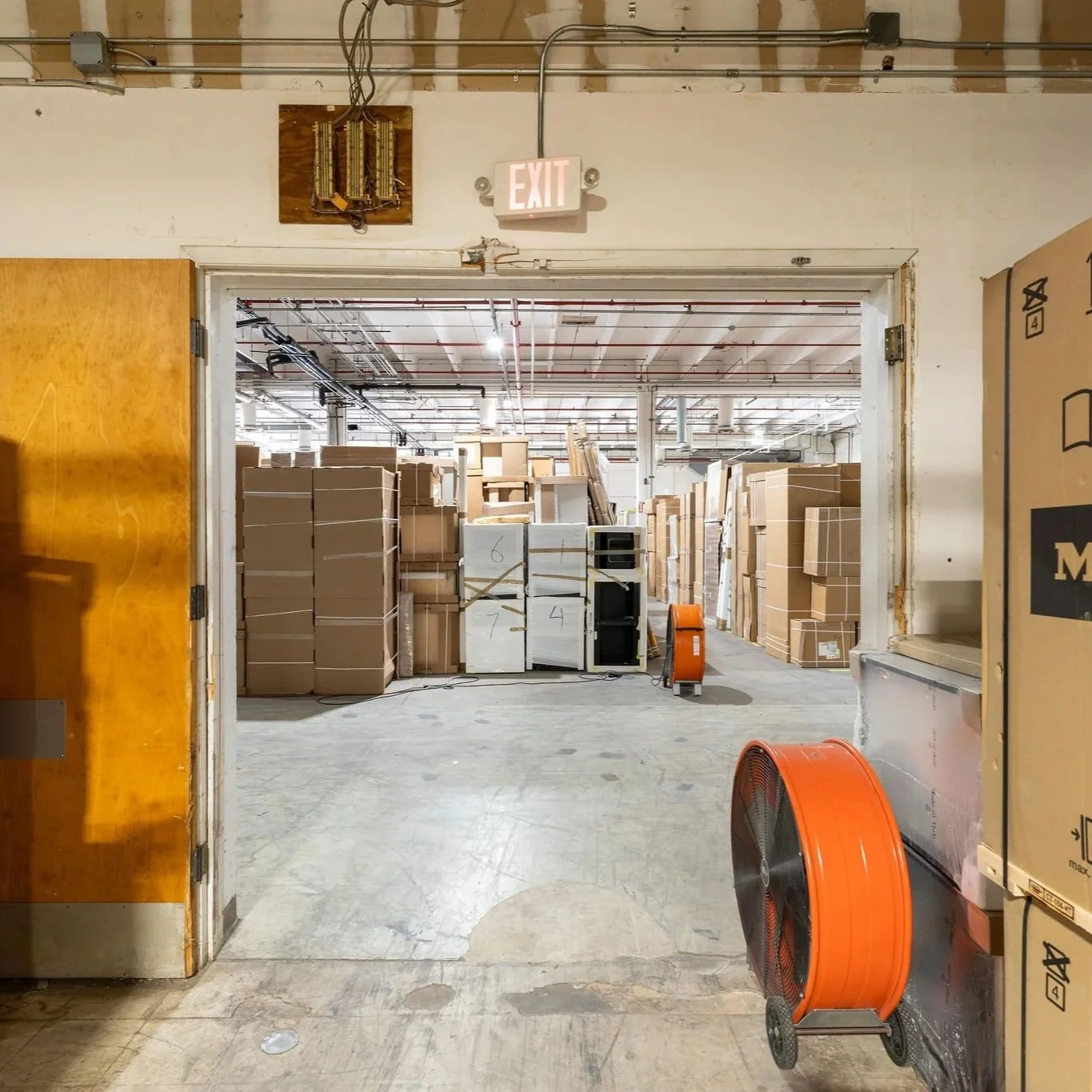
By integrating smart inventory storage solutions, businesses maintain stability while keeping warehousing, transportation, and delivery processes running smoothly.
A well-organized inventory system enables businesses to stay prepared for growth, fluctuations in demand, and supply chain challenges. Long-term storage provides a structured approach to managing stock, protecting valuable products, and improving overall efficiency. By integrating smart inventory storage solutions, businesses maintain stability while keeping warehousing, transportation, and delivery processes running smoothly.
Maximizing Space With Structured Inventory Storage
Warehouse space fills up quickly without a structured storage plan. Long-term storage solutions optimize available space by using vertical racking, palletized storage, and climate-controlled environments. Well-organized inventory prevents overcrowding, keeping daily operations efficient while maintaining easy access to stored goods.
A systematic approach to storage improves inventory flow. Categorizing products based on demand, seasonality, and shelf life enables better organization, thereby reducing the time spent searching for items. A long-term storage strategy establishes a stable foundation for warehouse distribution management, enhancing order fulfillment and minimizing handling delays.
Protecting Inventory With Secure Warehousing
High-value and sensitive products require secure storage to prevent damage, theft, or environmental degradation. A well-managed warehouse prioritizes security while maintaining accessibility for authorized personnel. Surveillance monitoring, restricted access areas, and digital tracking systems create a secure environment for long-term storage.
Climate-controlled facilities protect products from temperature fluctuations, humidity, and dust accumulation. Wooden materials, electronics, pharmaceuticals, and perishable goods benefit from stable storage conditions that prevent deterioration. Long-term storage solutions provide businesses with peace of mind, knowing their inventory remains in optimal condition for extended periods.
Reducing Costs With Bulk Storage Options
Buying in bulk reduces costs, but storing large quantities requires strategic planning. Long-term storage facilities accommodate bulk shipments without disrupting daily warehouse operations. A dedicated space for surplus inventory keeps stock organized while preventing unnecessary expenses related to emergency storage or expedited shipping.
Bulk storage solutions improve transportation efficiency by allowing businesses to receive shipments in larger quantities. Consolidating deliveries reduces transportation costs while improving order predictability. A structured long-term storage plan maintains steady supply chains while reducing operational expenses.
Improving Supply Chain Stability
Unpredictable market changes create challenges for inventory management. Long-term storage solutions provide a safety net by keeping essential stock available when disruptions occur. Supply chain delays, raw material shortages, and seasonal demand shifts become more manageable with a well-planned storage system.
Strategic warehousing locations improve distribution efficiency by keeping inventory closer to key markets. Storing products in multiple locations reduces delivery times and transportation costs. A long-term storage strategy strengthens supply chain resilience, allowing businesses to navigate unexpected challenges without unnecessary delays.
Supporting Business Growth And Expansion
A growing business requires a flexible storage solution that adapts to increasing demand. Long-term storage provides scalability without the immediate need for facility expansion. Businesses with fluctuating inventory levels benefit from storage solutions that adjust to shifting production and distribution needs.
A well-structured storage system supports product diversification. As businesses expand their offerings, long-term storage enables better organization and improved inventory control. Structured warehousing maintains efficient supply chains while preventing space limitations from hindering growth.
Minimizing Waste With Better Inventory Rotation
Inventory mismanagement leads to product loss, expired stock, and unnecessary waste. Long-term storage solutions enhance inventory rotation by keeping products organized according to priority and demand. A first-in, first-out (FIFO) approach prevents older stock from sitting on the shelves for too long, thereby reducing spoilage and obsolescence.
Automated inventory tracking enhances rotation strategies by providing real-time data on stock levels, enabling more informed decisions. Barcode scanning, RFID tagging, and cloud-based inventory management systems improve accuracy, reducing errors that lead to product waste. A structured approach to long-term storage enables efficient stock movement while minimizing financial losses.
Improving Order Fulfillment And Delivery Efficiency
Long-term storage improves order fulfillment by keeping high-demand products readily available. Warehouses with well-organized storage layouts reduce order processing time, improving accuracy and customer satisfaction. Strategic inventory placement enables faster picking and packing, thereby streamlining warehouse distribution management.
Proximity to transportation hubs improves delivery efficiency. Storing inventory in long-term facilities near key distribution centers reduces lead times and transportation costs. A well-managed storage network keeps deliveries on schedule while maintaining supply chain efficiency.
A Smarter Approach To Inventory Storage
A long-term storage strategy keeps inventory protected, organized, and accessible for future business needs. Secure warehousing, climate-controlled environments, and automated tracking systems create a structured approach to managing stock. Businesses benefit from improved space utilization, reduced costs, and a stronger supply chain.
With a well-planned inventory storage solution, businesses maintain flexibility, improve operational efficiency, and stay prepared for future growth. A structured long-term storage system provides the stability needed to manage inventory with confidence while keeping supply chains running smoothly.
Delivery and Warehousing Solutions is your reliable partner for inventory storage, cross-docking, and final mile delivery services in West Palm Beach. We boast years of local experience and offer secure and scalable warehousing solutions. Call today.