
How Emergency Warehousing Solutions Support Readiness in Critical Situations
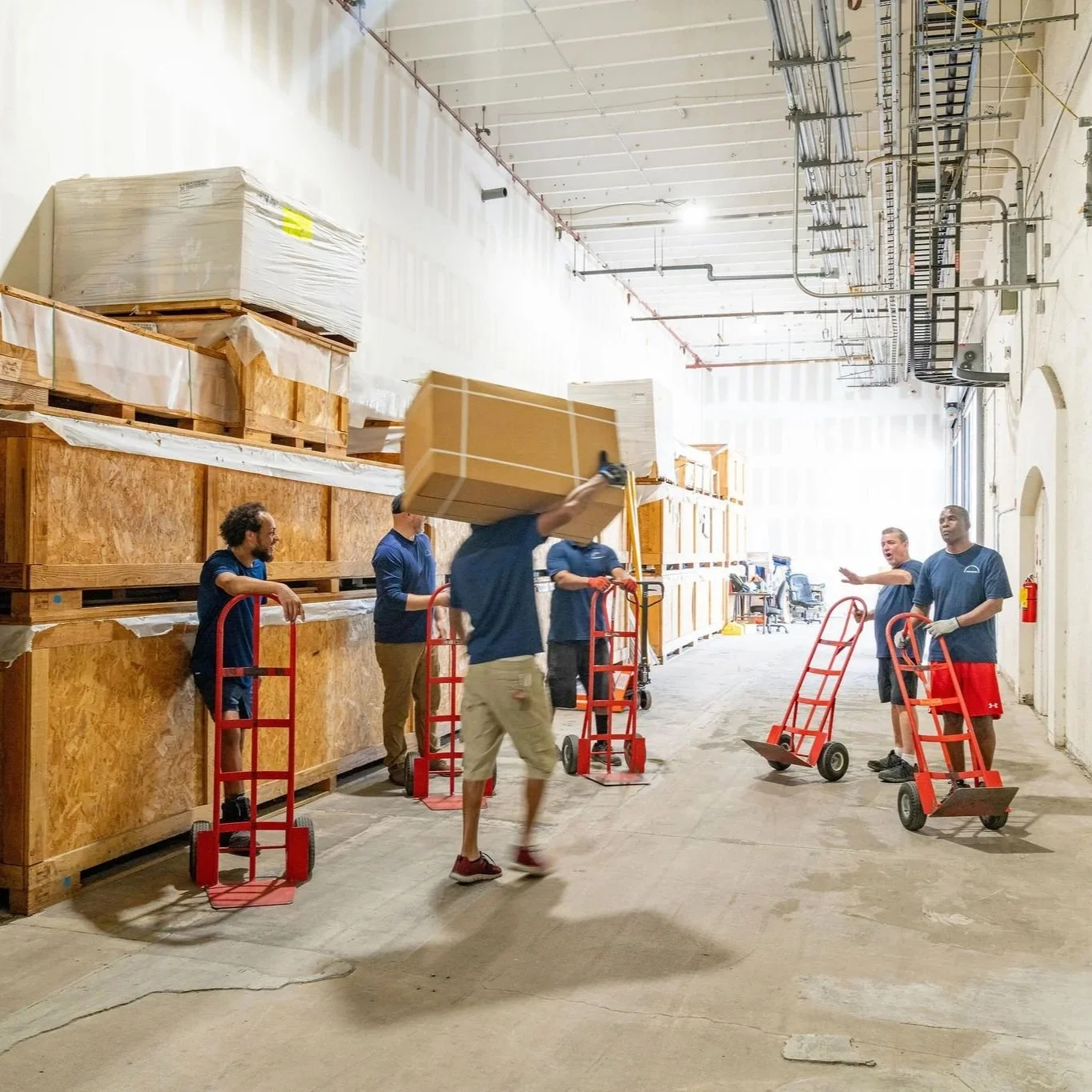
Proper logistics planning enables supplies to reach affected areas quickly, minimizing disruptions and facilitating faster community recovery.
A well-prepared supply chain plays a critical role in emergency response. Whether responding to natural disasters, medical crises, or urgent supply shortages, efficient emergency warehousing solutions ensure that essential goods are constantly in motion. Proper logistics planning enables supplies to reach affected areas quickly, minimizing disruptions and facilitating faster community recovery. Businesses and organizations that prioritize emergency storage solutions enhance their ability to respond effectively under pressure while maintaining efficient warehouse distribution management.
Strategic Warehousing Keeps Essential Supplies Accessible
Emergencies demand rapid response times. A well-organized warehouse network reduces delays by keeping essential supplies in strategically located facilities. Storing emergency goods in high-risk areas without a clear distribution plan creates bottlenecks, increasing the risk of shortages. A structured approach places critical supplies within reach while maintaining enough flexibility to adjust distribution based on evolving needs.
Smart inventory management plays a key role in emergency preparedness. A system that prioritizes high-demand items such as medical supplies, food, water, and shelter materials allows for faster deployment. Organized storage layouts, clear labeling, and real-time tracking make it easier to locate and distribute goods under time-sensitive conditions.
Rapid Deployment Requires Efficient Warehouse Distribution Management
Emergency response logistics depend on fast and accurate order fulfillment. Poorly managed warehouses create delays that impact relief efforts. A warehouse designed for emergency response operates with streamlined picking and packing processes, enabling essential supplies to be moved quickly from storage to transportation.
Pre-positioned supply kits reduce preparation time by keeping critical items ready for immediate shipment. Warehouses equipped with automated tracking systems enhance order accuracy, preventing errors that result in misplaced shipments or incomplete deliveries. A well-structured facility supports emergency logistics by maintaining efficiency under high-pressure conditions.
Transportation Coordination Keeps Supply Chains Moving
A strong transportation network plays a crucial role in emergency response logistics. Without coordinated transportation planning, warehouse distribution management becomes inefficient, leading to delays in critical deliveries. Reliable trucking, air freight, and rail transport connections allow supplies to reach affected areas without unnecessary setbacks.
Routing flexibility helps navigate challenges such as road closures, extreme weather, and infrastructure damage. Emergency logistics professionals utilize real-time tracking and rerouting strategies to prevent delays and maintain shipments on schedule. A well-organized transportation plan supports warehousing operations by preserving a steady flow of goods, even under unpredictable conditions.
Inventory Control Prevents Waste And Shortages
Emergency response storage requires a balance between stock readiness and inventory rotation. Overstocking leads to wasted resources, while understocking creates shortages that slow down relief efforts. A well-managed inventory system uses real-time data to track expiration dates, restocking needs, and supply levels.
Digital tracking systems offer enhanced visibility into warehouse stock, enabling logistics teams to anticipate demand and adjust supply levels accordingly. Coordinated efforts among suppliers, warehouses, and distribution centers guarantee that essential goods are moved efficiently without unnecessary stockpiling or waste. A proactive approach to inventory management strengthens supply chain solutions for emergency response.
Cold Storage And Specialized Warehousing Support Critical Supplies
Certain emergency supplies, such as vaccines, medications, and perishable food, require specialized storage conditions. Cold storage facilities maintain temperature-sensitive goods, preventing spoilage and maintaining effectiveness. Warehousing solutions that include climate-controlled storage protect essential items from environmental damage.
Emergency logistics rely on storage facilities that manage a range of critical supplies. Secure storage for hazardous materials, medical equipment, and high-value assets provides an additional layer of readiness for emergency response operations. A facility equipped to store and manage specialized inventory improves response efficiency while maintaining the integrity of essential goods.
Collaboration Between Agencies Strengthens Emergency Logistics
A coordinated effort between governments, businesses, and relief organizations improves emergency logistics outcomes. Poor communication between supply chain partners leads to mismanaged resources and slowed response times. A strong warehousing and distribution strategy relies on collaboration to maintain efficiency in critical situations.
Sharing real-time inventory data, aligning delivery schedules, and coordinating response efforts reduces inefficiencies. Partnerships between logistics providers, emergency response teams, and warehousing facilities create a stronger, more reliable distribution network. A unified approach to supply chain solutions verifies that essential goods flow where they are needed most.
Emergency Warehousing Builds Resilience And Preparedness
A well-planned emergency storage and logistics system reduces risks, improves response times, and strengthens overall preparedness. Warehouses designed for rapid deployment, transportation coordination, and strategic inventory management create a strong foundation for emergency response efforts.
A resilient supply chain keeps communities supported during crises, allowing businesses and organizations to adapt quickly to unexpected challenges. Emergency warehousing solutions play a vital role in maintaining stability and delivering critical aid, proving that a well-prepared logistics system makes all the difference when every second counts.
Delivery and Warehousing Solutions offers a well-structured system to minimize delays and ensure your products are transported safely. Our services include project and event storage, emergency response storage and logistics, and inventory and stock auditing. We ensure clear communication and advanced logistics planning. Get your free quote today.