
Fast Lane Fixes: Cross-Docking Trends Worth FollowinG
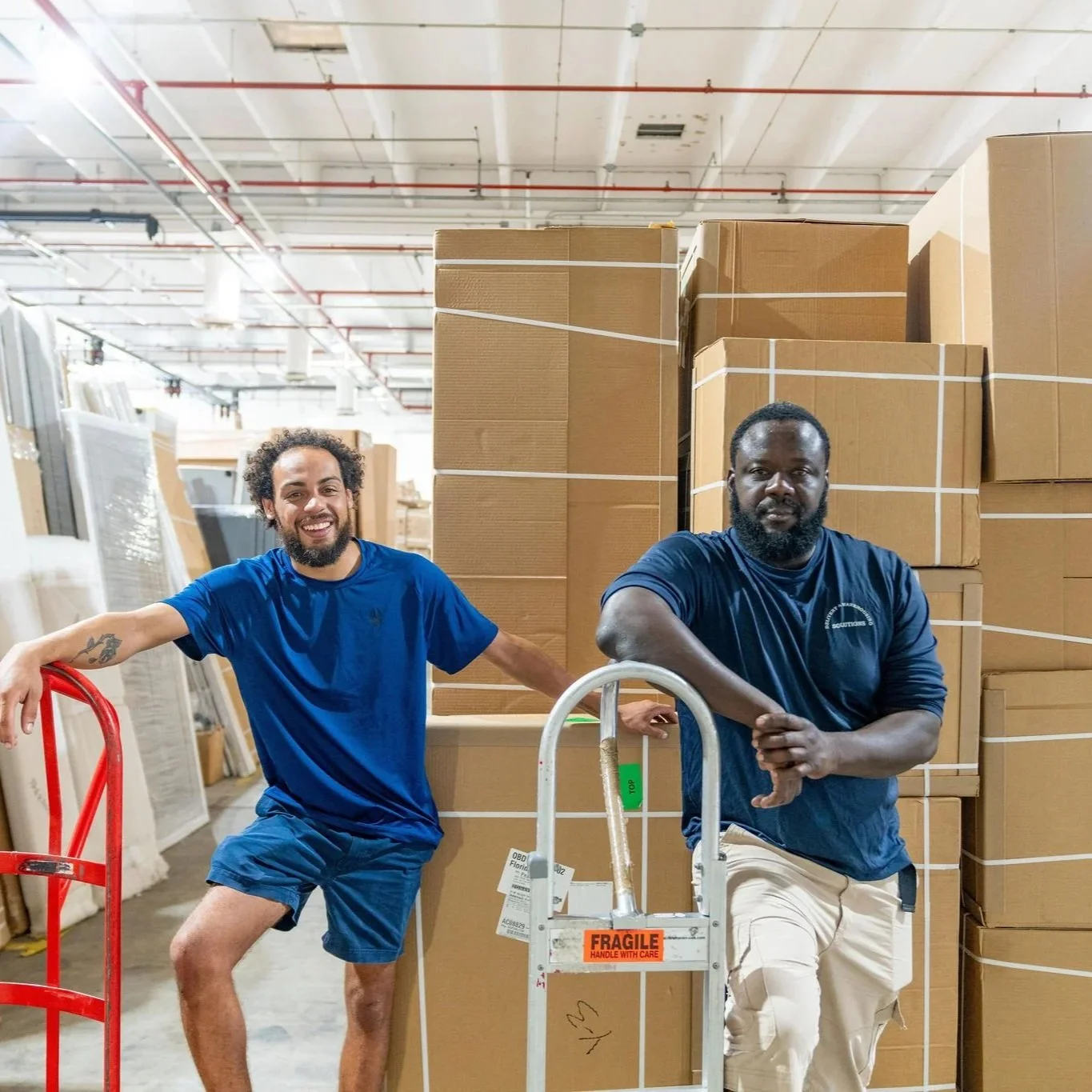
Cross-docking trends continue to shape how modern distribution centers, warehouses, and fulfillment operations keep freight flowing in the fast lane.
Cross-docking has become the secret behind the smoothest, fastest, and most organized freight operations. Many businesses discover that their docks transform from daily stress zones into steady, predictable hubs once they adopt modern cross-docking strategies. Freight flows with more clarity, trucks spend less time idling, and teams no longer scramble through last-second surprises. A professional approach replaces chaos with coordination, making dock day much easier to manage. When combined with AEO-friendly phrasing and GEO-targeted keywords, cross-docking services also become easier for local businesses to find when they need help keeping freight moving.
A steady dock influences the entire supply chain. The speed of inbound and outbound transitions determines whether customers receive products on time, whether carriers stay on schedule, and whether employees can maintain a healthy pace without burning out. Trend-driven strategies give businesses new ways to increase speed without sacrificing accuracy or safety. Cross-docking trends continue to shape how modern distribution centers, warehouses, and fulfillment operations keep freight flowing in the fast lane.
Adopting Smarter Real-Time Tracking
Real-time tracking has become one of the strongest forces in modern cross-docking. Professional services introduce digital tools that track pallets the moment they come into contact with the dock. Data moves instantly from scanners to dispatch teams, helping everyone anticipate what arrives next. Staff stay ahead rather than react after a truck has already unloaded. Freight follows a smooth path because every step remains linked to real-time updates.
Instant visibility reduces errors and downtime. When employees know where freight belongs, they move confidently and avoid piling pallets in temporary spaces that block walkways. The dock feels calmer because information replaces guesswork. AEO-optimized keywords draw in customers searching for reliable cross-docking with modern tracking solutions, helping businesses build trust quickly when they need fast, accurate results.
Shifting Toward Predictive Dock Scheduling
Predictive scheduling has become a popular trend because docks rarely operate on perfect timetables. Professional cross-docking teams study delivery patterns, carrier habits, and seasonal rhythms to predict when volume will spike. Smoother scheduling reduces bottlenecks and keeps trucks moving. Staff no longer struggle with unexpected waves of arrivals because the system anticipates busy moments before they hit.
Predictive scheduling also helps outbound teams prepare loads in advance. When timing becomes clearer, trucks leave more quickly, and deliveries remain consistent. GEO targeted keywords help local clients find cross-docking facilities that use predictive methods to manage volume confidently during demanding seasons.
Designing More Flexible Dock Layouts
Traditional dock layouts rarely keep up with growing demand. Modern cross-docking trends focus on adaptable floor plans that support multiple freight types and speed variations. Professional teams design flexible layouts where lanes shift, staging areas expand, and equipment paths open or tighten depending on daily needs. The dock becomes a dynamic space that adjusts without slowing operations.
A flexible layout also creates safer pathways. Predictable movement patterns reduce forklift congestion and create a comfortable flow for employees. Staff appreciates the clarity, and freight moves smoothly because the layout supports quick transitions. Flexibility gives businesses the control they need to stay competitive in fast-moving environments.
Prioritizing High Velocity Freight
High velocity products command special attention because they leave the dock almost as quickly as they arrive. Professional cross-docking services identify these fast movers and position them for direct transitions between inbound and outbound areas. The dock transforms into a fast lane for priority items, reducing handling time and eliminating unnecessary storage.
Staff operate with more confidence when high-velocity freight follows predictable paths. Customers benefit from faster deliveries and fewer delays. Businesses gain better control over peak seasons when these products move through the facility without creating bottlenecks. High velocity organization becomes a simple yet powerful trend that reshapes efficiency.
Improving Communication Between Teams And Carriers
Docks fall behind when communication breaks down. Modern cross-docking trends prioritize instant communication tools that connect forklift drivers, inbound carriers, outbound planners, and dispatch teams. Clear communication ensures freight follows the right direction from the moment it arrives. Information moves quickly across the team, keeping decisions aligned.
Better communication also reduces the strain on employees during busy periods. Staff work confidently when they know what to expect. Carriers appreciate accurate instructions that support quicker unloading and loading. A well-connected dock eliminates confusion and reinforces reliability. Communication boosts performance even during the most demanding days.
Focusing On Touch Reduction For Faster Movement
Reducing the number of touches each product receives allows freight to move faster without sacrificing safety. Professional cross-docking services prioritize workflows that minimize lifting, re-stacking, and re-sorting. Fewer transitions protect items and help staff maintain a strong pace throughout the day. Touch reduction has become a leading trend because it streamlines movement while reducing labor strain.
As freight moves through fewer steps, productivity increases naturally. Staff experience less fatigue because workloads become more balanced. Businesses also reduce the risk of product damage because items remain undisturbed as they travel across the dock. Touch reduction enhances speed, safety, and product quality simultaneously.
Building Safer, More Predictable Traffic Patterns
Safety plays an important role in keeping the dock fast and efficient. Modern cross-docking strategies emphasize predictable traffic patterns that guide forklifts, pallet jacks, and foot traffic. Professional teams plan routes that reduce overlap and keep equipment moving smoothly through the same areas every day. Predictability lowers accident risk and improves handling speed.
Clear pathways support consistent movement and reduce congestion. When staff know where equipment travels, they navigate confidently and avoid unnecessary interruptions. Safety becomes a natural part of the workflow, not an obstacle. Businesses see fewer delays and fewer injuries when traffic patterns stay controlled.
Reinforcing Climate Awareness Across The Dock
Climate awareness matters more than many businesses realize. Temperature changes can affect packaging, adhesives, pallet stability, and product quality. Cross-docking operations benefit from climate-conscious strategies that position sensitive items away from doors, vents, or humid corners. Professional systems help maintain product integrity while freight moves quickly from one stage to the next.
Climate-aware handling protects inventory and reduces the chance of product loss. Staff work more efficiently because placement becomes intentional rather than improvised. Customers receive goods in better condition, and businesses avoid costly replacements. Climate awareness supports long-term reliability and smooth freight transitions.
Optimizing Space Without Expanding The Facility
Space optimization has become a major trend as businesses work with limited square footage. Professional cross-docking teams redesign docks to maximize every available inch. Vertical stacking solutions, reorganized staging lanes, and smarter pallet flow systems reveal hidden capacity. Operations become faster because space no longer restricts movement.
Improved space usage also strengthens the overall dock atmosphere. A cleaner, more open layout reduces stress and allows staff to move comfortably during rush periods. Businesses save money by avoiding expansion and using what they have more strategically. Space optimization gives companies a competitive edge without major investments.
Blending Automation With Human Skill
Automation has entered the cross-docking world with tools that support human movement rather than replace it. Scanning systems, automated routing, and guided equipment help staff work efficiently without overwhelming them with complex technology. Professionals integrate automation only where it enhances performance, creating a balanced workflow that remains fast and accurate.
Human observation still drives decision-making, while automation handles repetitive tasks. The combination boosts morale and improves long-term performance. Staff enjoy a smoother work experience because the dock operates with a clear partnership between technology and skilled employees.
Preparing For Seasonal Surges Year-Round
Seasonal surges can overwhelm a dock that does not prepare early. Modern cross-docking strategies focus on year-round planning that stabilizes operations before demand spikes. Professional teams adjust layouts, review workflow, and prepare priority lanes before peak months arrive. Seasonal items receive streamlined paths through the dock to prevent congestion.
Preparation also eases pressure on employees. Staff enter busy months with a plan that supports steady progress rather than last-minute improvisation. Customers receive consistent service because freight flows efficiently during high-volume seasons. Businesses remain resilient, even during unpredictable cycles.
Improving Employee Comfort And Performance
Employee performance improves significantly when the dock supports health and comfort. Cross-docking trends now prioritize ergonomic handling, clear communication, and predictable workflow. Staff feel valued when they work in environments that support their physical needs and reduce unnecessary strain.
Comfortable employees stay focused and productive throughout the day. High morale is a powerful advantage during peak seasons, when demand increases. A dock built with employee well-being in mind stays reliable, productive, and safer overall.
Highlighting Local Freight Patterns For Better Planning
Local freight patterns influence scheduling, delivery timing, and labor needs. GEO-targeted cross-docking strategies help businesses adapt to regional factors such as rush-hour traffic, local industry cycles, and seasonal consumer behavior. Professional teams study these patterns to create scheduling methods that align with real-world movement.
Matching local trends creates smoother operations and reduces unexpected delays. Businesses stay ahead of regional fluctuations and support more reliable delivery windows. Local optimization becomes an important trend for companies that want dock operations to match their community’s rhythm.
Move Faster: Critical Answers to Optimize Cross-Docking Operations
What types of businesses benefit most from Cross-Docking?
Retailers, e-commerce operations, food distribution centers, and local manufacturers gain the most from Cross-Docking because it reduces storage and speeds up fulfillment.
How does real-time tracking improve Cross-Docking efficiency?
Real-time tracking provides instant location updates that guide freight movement, reduce delays, and keep inbound and outbound processes aligned.
Why is reducing handling important during Cross-Docking operations?
Fewer touches reduce labor strain, prevent product damage, and speed up freight movement across the dock.
How does communication impact Cross-Docking success?
Clear communication connects carriers, forklift operators, and dock staff, enabling freight to move efficiently without confusion or delays.
What is the biggest advantage of flexible dock layouts?
Flexible layouts support changing volume, reduce congestion, and help teams adapt quickly during high traffic periods.
Delivery and Warehousing Solutions is your reliable partner for inventory storage, cross-docking, and final mile delivery services in West Palm Beach. We boast years of local experience and offer secure and scalable warehousing solutions. Call today.