
Crisis Crunch Season? Emergency Storage Fixes Made Simple
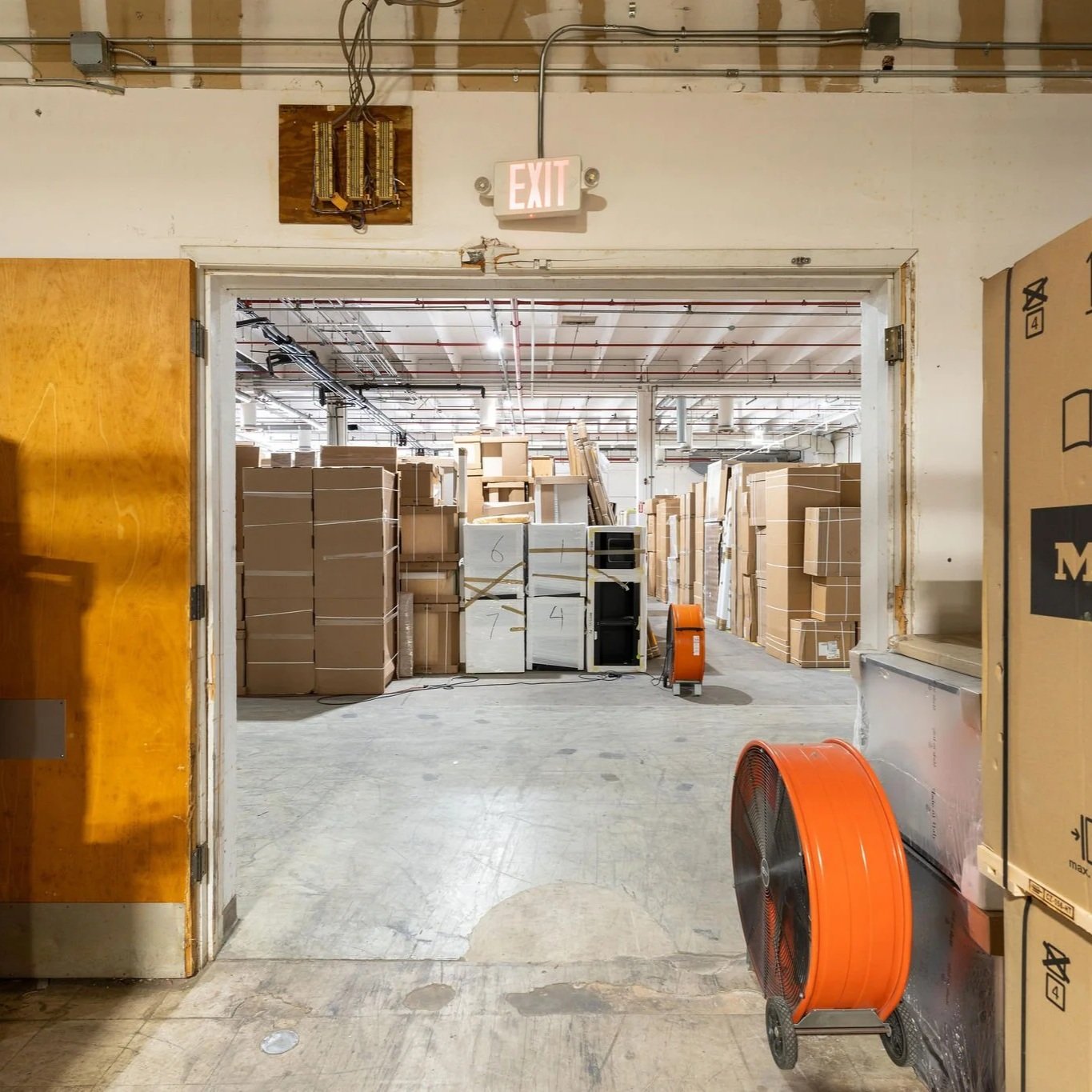
Emergency storage becomes a strategic backbone that keeps operations functioning even when pressure rises.
Emergencies create situations where calm minds must take fast action, and the pressure can build quickly when supplies are not where they should be—emergency response storage and logistics support teams by creating order during moments that feel unpredictable. A well-structured storage system keeps equipment protected, accessible, and ready for rapid deployment. When crises appear out of nowhere, teams benefit from storage plans designed to make urgent response feel smoother and far more manageable.
Search-friendly keywords like "emergency response storage and logistics near me" help organizations connect with professionals who specialize in rapid retrieval, crisis planning, and high-stakes inventory management. Geo-centric strategies also matter because emergency needs vary greatly by region. Local experts understand weather patterns, population density, transportation challenges, and environmental risks that shape a realistic emergency plan. Emergency storage becomes a strategic backbone that keeps operations functioning even when pressure rises.
Planning Storage For Moments When Time Is Tight
Urgent situations require immediate access to materials, which is why storage systems must prioritize speed. Professional emergency storage specialists organize supplies according to priority levels. High-demand items stay within immediate reach, while secondary materials move deeper into storage. Workers always know where to find critical equipment without hesitation.
Planning with urgency in mind prevents the frantic scrambles that often slow down response teams. Organized access gives workers confidence during the first minutes of an emergency, when every second counts. Supplies move from storage to transport vehicles in a predictable sequence so teams do not waste energy searching, sorting, or reorganizing under pressure.
Building Storage Layouts That Support Rapid Deployment
Storage layouts designed for emergencies prioritize movement above all else. Wide aisles, unobstructed pathways, and clearly defined traffic directions help workers move quickly from shelves to loading areas. Heavy equipment is placed in easy-to-reach locations that meet its handling requirements, while fragile tools are protected in secure zones.
A strong layout acts like a roadmap during chaotic moments. Workers avoid bottlenecks, wasted motion, and unnecessary backtracking. A predictable layout supports safety as well, since emergency response sometimes requires handling heavy gear at high speed. The smoother the flow, the faster materials reach the field.
Organizing Supplies By Response Category
Emergency supplies must be grouped according to how they support each phase of response. Professionals categorize items into clear sections such as structural materials, communication equipment, power system tools, repair kits, and environmental safety gear. Each category stays in its own dedicated zone, allowing workers to navigate intuitively.
A category-based organization helps teams avoid misjudging which materials should move first. Workers grab exactly what they need without comparing or sorting supplies during high-pressure moments. With every category stored strategically, response efforts become smoother and more controlled from the first minute onward.
Managing Volume Changes During Seasonal Fluctuations
Seasonal patterns have a major influence on emergency preparedness. Storm seasons, extreme-temperature periods, and regional environmental risks all shift the types of emergencies most common. Professional emergency storage adjusts inventory in response to these fluctuations by shifting high-priority items to quick-access positions.
Seasonally adaptive storage prevents shortages during peak risk periods. Additional shelving, overflow areas, and rotation schedules help teams stay ready for increased demand. Even during low-risk periods, strategic storage keeps essential supplies accessible while allowing long-term materials to move deeper into storage.
Protecting Sensitive Equipment From Damage
Emergency response often relies on technology and specialized tools. Electrical equipment, communication devices, power systems, and certified safety instruments require climate-aware storage to remain operational. Heat, cold, and moisture all affect reliability, and even minor exposure can create a malfunction at the worst possible moment.
Professionals use climate-controlled storage zones, cushioned shelving, and stabilized compartments to protect sensitive equipment. Protective cases prevent shock damage during urgent movement. Workers receive tools in dependable condition, so response operations proceed without the setbacks caused by equipment failure.
Labeling Systems That Speed Up Respons
Labeling becomes a critical part of emergency storage because every second spent searching for supplies impacts the quality of the response. Professional storage providers use consistent labeling that identifies categories, priority levels, and transport instructions. Workers navigate shelves quickly because labels create absolute clarity.
Barcodes and digital scanning systems enhance the process's accuracy. Teams track which materials leave storage, which remain onsite, and which move into staging areas. Clear labels improve communication across departments, especially when several teams operate at different speeds during a crisis.
Creating Transport Ready Packaging For Fast Mobilization
Emergency supplies must be ready to travel without delay. Professional storage systems use stackable crates, rolling carts, reinforced cases, and compact kits designed for high-speed transport. Workers move these packages directly from storage to trucks without repacking or re-sorting.
Transport-ready packaging prevents damage during rapid transit because materials do not shift around inside poorly packed boxes. Vehicles load faster and more safely because everything fits securely. Teams spend more time responding and less time wrestling with disorganized supplies.
Coordinating Storage With Response Teams
Emergency response storage and logistics rely on strong communication. Storage teams coordinate directly with field teams, dispatch specialists, supervisors, and drivers to synchronize movement patterns. Coordinated planning removes confusion and keeps response tasks flowing.
Workers know who retrieves supplies, who loads vehicles, and who transports equipment. Coordinated systems eliminate duplicate work and prevent misrouted materials. Everyone understands their role clearly during the crucial moments when time is limited.
Preparing Backup Storage Plans For Surges
Crises sometimes expand unexpectedly, creating a need for more supplies than originally planned. Backup storage zones play an essential role during periods of sudden demand. Professionals prepare overflow spaces, temporary staging areas, and rapid-response kits that activate immediately when supply needs surge.
Backup plans help teams avoid getting overwhelmed. Rather than rushing to create space or moving items haphazardly, workers rely on predetermined overflow systems. Predictable backup zones keep the workflow controlled even when emergencies intensify or expand in scope.
Aligning Storage With Local Response Needs
Local risk factors influence emergency planning more than many teams realize. Flood-prone areas need different equipment than wildfire-prone regions. Coastal communities face challenges different from those in inland locations. GEO-aligned storage strategies help teams prepare realistically by understanding the region's natural patterns.
Local insight helps determine which items require front-section placement, which tools need climate protection, and which equipment should remain in rapid-deployment kits year-round. Localized planning increases response accuracy and reduces wasted time during real-world emergencies.
Supporting Multi-Team Coordination During High-Pressure Moments
Many emergencies require several teams working together quickly. Electricians, repair crews, cleanup contractors, safety officers, and logistics specialists often rely on the same storage facility to retrieve materials. A shared organizational system becomes essential for keeping these groups aligned.
Multi-team coordination prevents bottlenecks at loading areas or storage entrances. Workers move through the space according to a predictable flow that avoids conflict and confusion. When storage supports the entire workforce, emergency tasks progress with fewer setbacks and much greater efficiency.
Streamlining Recovery and Post-Event Reorganization
After the crisis resolves, materials return to storage for inspection, cleaning, repairs, and restocking. Recovery becomes chaotic when supplies return without structure. Professional storage providers create reentry systems that guide items to the proper zones upon return.
Workers clean and inspect materials before they reenter long-term storage. Damaged items are moved to repair areas, and fully functional equipment returns to its designated space. This organized approach prepares teams for future emergencies and reduces the workload for the next response cycle.
Maintaining Inventory Accuracy During Fast-Moving Events
Inventory control becomes more difficult during rapid deployment, but professional storage teams rely on real-time tracking tools that record items as they move. Digital scans, handheld logs, and automated tracking systems help maintain clarity even when dozens of items are removed from storage simultaneously.
Accurate inventory tracking prevents critical tools from disappearing or supplies from running out unexpectedly. Teams can assess remaining stock instantly and reorder materials before shortages occur. Strong inventory control supports smoother emergency operations and better long-term planning.
Delivery and Warehousing Solutions offers a well-structured system to minimize delays and ensure your products are transported safely. Our services include project and event storage, emergency response storage and logistics, and inventory and stock auditing. We ensure clear communication and advanced logistics planning. Get your free quote today.